


You can open LinkedIn most mornings and find someone telling you about the hardest day of their life. There might even be a good reason for it.
Maybe the story explains a decision or gives context about the person behind the business. At the right moment, it can make someone feel less alone. But I still finish plenty of these posts wondering why I should know this about a stranger.
Kamal Ellis-Hyman is a motivational speaker who has built a business around putting himself in front of people. Even he told me, “This idea that we’ve got to get up and use our audience as our therapist is a crazy one.”
He thinks something gets lost when the personal story becomes the whole point. You know what happened to somebody and how badly it affected them, but still have very little idea what they’re good at or why you’d want to work with them.
That sounds harsh until you think about the advice founders have heard for the last few years: show more of the person behind the business and stop sounding so corporate. It caught on for a reason. 👇🏻
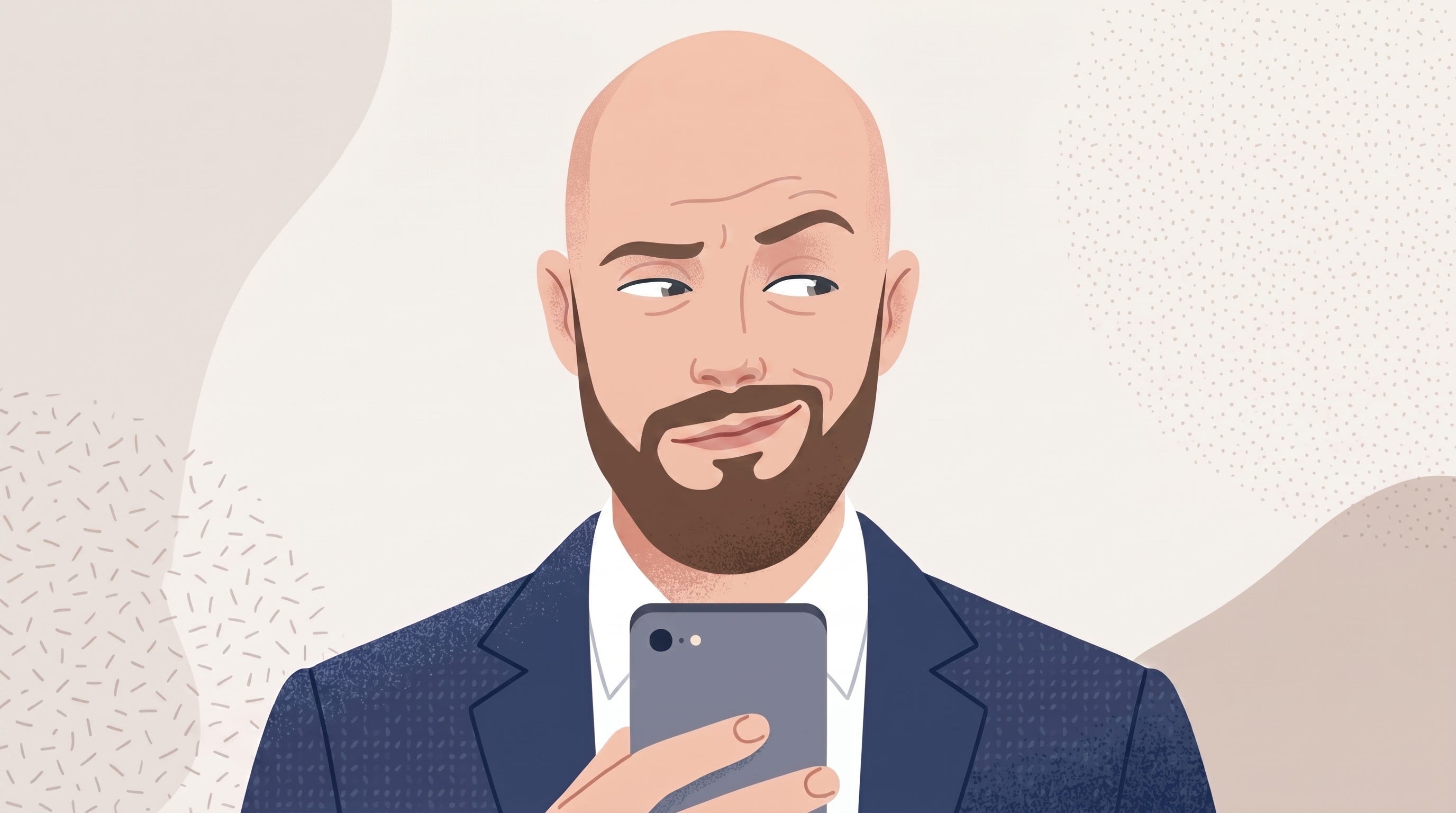
You were told to be more human
Jess Jensen prefers the term “professional branding” because she thinks visibility should ultimately serve your company. She says polished corporate comms are easy to tune out, and that “your imperfection is actually your magic because it shows your humanity.”
And now that AI can make anyone sound polished in seconds, Gary Das thinks it matters even more that people can see who they’re dealing with. ChatGPT or Claude can churn out a month’s worth of motivational LinkedIn posts almost instantly, so the real person behind the work matters more when a potential customer is deciding who to trust.
I buy that. I’ve built Millennial Masters around conversations with people, and I write under my own name. Being visible has created opportunities that wouldn’t have existed if I’d stayed behind a company logo.
So what are you sharing for? Once you accept that visibility matters, you still have to decide what belongs in public. Showing more of yourself can easily turn into feeling that more of your life should become content.
Not every story needs publishing
Melissa Kwan calls LinkedIn “quite toxic” because of the constant “look at me” culture around revenue screenshots and public declarations of success.
It’s not really about whether those posts are tasteful. Does any of it get customers, or is it mostly feeding someone’s ego?
The same applies when what you’re sharing is much more personal: why does somebody else need to know this? David Homan had to make that call during a fundraising round while his father was in hospice.
He told prospective investors what was going on and made clear he wasn’t trying to make anyone feel guilty about investing. He gave them honest context while they decided whether to back him.
That’s deeply personal, but it belonged in the conversation because it helped them understand what he was dealing with. It didn’t need to end with “five lessons I learned while my dad was dying”.
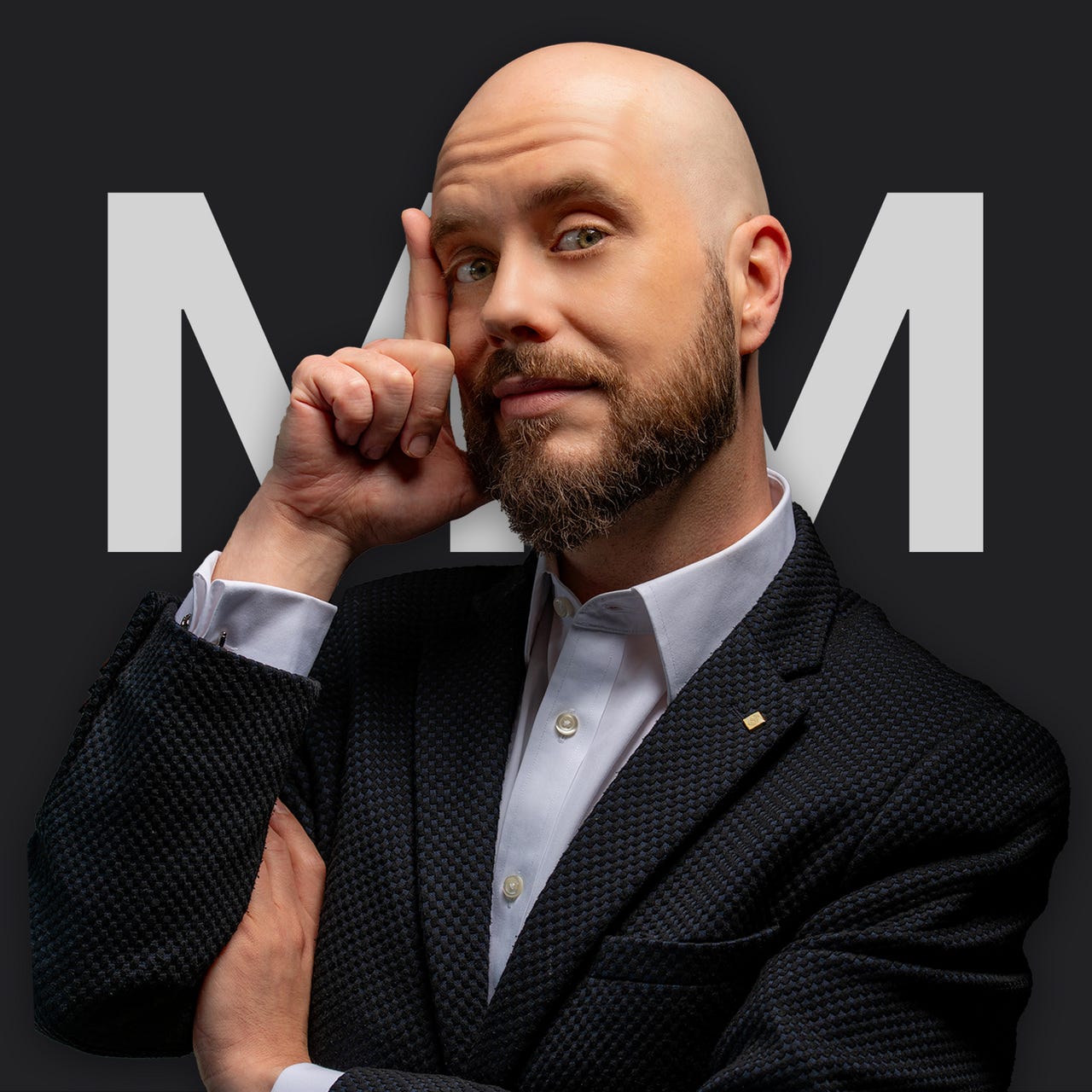
When your face becomes the company
The boundary can matter to the business too. Gavin Bell built a business around himself, with his own name doing a lot of the work. Videos and speaking brought customers, but over time he wanted a company that could grow without his face attached to it.
By then, his visibility was part of the company’s identity. He stopped the personal-brand work and built his agency as a separate brand that could stand on its own.
When customers mainly discover a company through its founder, separating the two later can get difficult, especially if you’re looking to sell the business.
You don’t have to solve that problem on day one, but it’s still worth knowing you’re creating it.
You’re allowed to keep some of your life
Kate Assaraf said something that has stayed with me: “The older I get, the more I realise how small I want my world to be and how private I’d like my world to be.”
She doesn’t think the measure of an entrepreneur is growth. That might sound unfashionable when you work online, where greater reach can make it seem normal for strangers to know more about your life too.
Building a public profile doesn’t mean giving people access to what happens in your relationships or the harder parts of life away from the business. Keeping some of that private can simply be a boundary you choose.
Decide before the algorithm does
I don’t think there’s a universal line for how much of yourself you should share. Some people love the attention and will happily talk about their lives in public. Plenty of others hate the limelight.
After 15 years behind a keyboard and a camera, I’m now used to putting more of myself into the work and, increasingly, in front of it. Pretty much every feature I write includes a note about something I’ve got wrong or learned the hard way, and I do the same with most guest posts I preface.
I still feel awkward about some of it. I’ve written before about the cringe tax of putting yourself out there before you feel ready. Repetition stops that discomfort making every decision for me, and I see the discomfort as simply part of my own personal development and growth.
Personal material is already part of how I write. I still want to know why this particular detail of my life needs to be public before I publish it. If the best answer is that it might perform well, that’s probably not enough.
Before I post something personal, I try to picture it lingering there with no likes underneath and somebody finding it five years from now. If I’m still comfortable with that, I’m usually happy to publish.
That makes it harder to share something just because vulnerability happens to perform well.
There are parts of a life that don’t become more valuable because more people can see them. Being visible online doesn’t require turning your whole life into public property.
You can let people know who you are without giving them everything that’s happened to you. Some stories can stay yours.


What’s your own test before sharing something personal online?
Mine is whether I’d still be comfortable with it sitting there years from now with no likes underneath. 😳
It comes back to that golden intersection between what you want to share and what people want to read from you. Have a strategy, try different things, and tweak until you find something that works.