


What happens when a business stops fitting the life it was meant to support?
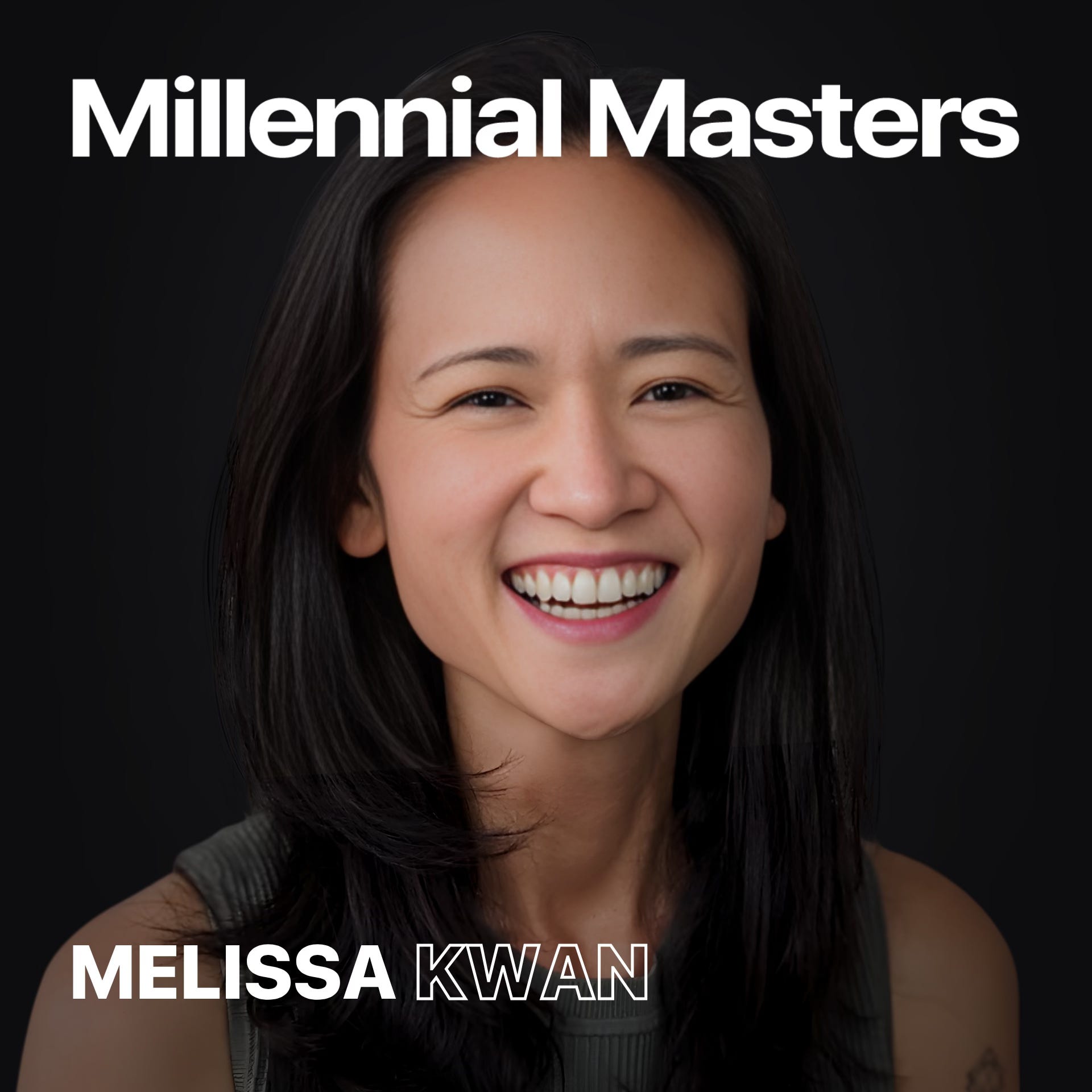
Melissa Kwan has spent years building, selling, and starting again. By the time she launched eWebinar, she had a much clearer idea of what she wanted this time and what she was no longer willing to compromise on.
For a while, it looked like it was working. Then growth slowed, old habits started creeping back in, and she realised the problem was not just effort or execution. It started earlier.
Sometimes the market does not understand the problem the way you think it does, and no amount of pushing fixes that until the positioning gets clearer.
In this episode, we get into lifestyle by design, founder drift, weak positioning, pricing, hiring, burnout, and the cost of staying too long in a business that no longer fits.
🔗 Find Melissa on LinkedIn and Substack
Key takeaways
1️⃣ A business can outgrow the life you wanted
Melissa’s story is a good reminder that a business can be working and still be taking you in the wrong direction. What she wanted was freedom, flexibility, and a business that fit her life. Over time, parts of the company started pulling her back into a version of work she didn’t want to return to. Growth on its own doesn’t tell you whether the business is still taking you where you meant to go.
2️⃣ Weak positioning makes everything harder
When the market doesn’t quite get what you are, everything around it gets harder. Sales gets heavier. Marketing gets less clear. The team ends up spending too much time explaining something that should make sense much faster. Melissa’s point with purple ocean is that you don’t always need a completely new category. You need the right people to understand why your product matters and why they should choose it.
3️⃣ More effort will not fix a message problem
When growth slows, the instinct is usually to push harder. Melissa’s experience points to something more uncomfortable. Sometimes the real issue is that the message is off, the market is reading the product differently, or the offer is landing in the wrong place. At that point, more activity just burns energy. You need to get closer to the actual commercial problem before adding more effort.
4️⃣ Founder drift happens slowly
Sometimes founders end up in roles they were never meant to keep doing. It rarely happens all at once. You make one compromise, then another, then suddenly your week is full of things that don’t suit your strengths or the life you were trying to build. That’s what makes drift dangerous. It doesn’t feel dramatic while it’s happening. It just leaves you running a business that feels heavier than it should.
5️⃣ Staying too long has a real cost
Melissa was very clear on the cost of hanging on when something is no longer right. Founders often frame that as resilience, patience, or commitment. The longer you stay in the wrong setup, the more energy it eats and the harder it becomes to see clearly. That applies to offers, pricing, hiring, positioning, and the shape of the company itself. Knowing when something no longer fits is part of building well, not failure.
In this episode
00:00 Meet Melissa Kwan
01:50 Leaving corporate behind
03:14 Building a business from zero
07:21 Turning services into a product
09:38 Bootstrapping, debt, and profitability
12:40 Finding a model that fits
15:38 What “lifestyle business” really means
18:55 Choosing a problem you care about
21:30 When sales is the wrong channel
23:55 What stopped working in marketing
26:47 The challenge she couldn’t ignore
29:29 Rethinking the identity of the business
32:11 The inner work that changed everything
41:41 Treating sales like a science
43:26 Taking marketing back in-house
45:42 Hiring without losing the culture
47:15 Pricing mistakes and what they cost
52:48 Getting to real product-market fit
57:43 Building something you can sustain
01:01:22 The sacrifices behind the freedom
📚 Melissa’s book recommendations
The Presentation Secrets of Steve Jobs by Carmine Gallo — Melissa describes it as more than a sales book and uses it as a communication playbook for pitches, positioning, and landing pages. A good one if you want to get better at saying the right thing in a way people actually hear.
Questions Are the Answer by Tom Freese — A strong sales and communication read for founders who want to get better at guiding conversations, understanding buyer pain, and asking better questions instead of rushing into the pitch.
The Alchemist by Paulo Coelho — A simple one, but one that stays with people. Good for founders who need a reminder about instinct, direction, and staying close to what matters when the path gets messy.


