


There’s a point where paying yourself almost nothing starts making you worse at running the business.
I did it for years because getting paid last feels like part of the deal when every spare pound can go back into the business. You tell yourself you’ll sort your own money out later, and for a while that’s exactly what the business needs.
Melissa Kwan used to think the same way. After years of paying herself as little as possible, she changed her mind.
“The biggest variable to success is the founder.”
If you’re “constantly in survival mode”, she told me, “you cannot make good decisions for your company.”
Before eWebinar, Melissa spent almost ten years in what she called “pure suffering”. Well into her 30s, she lived with multiple roommates and chose the cheapest thing on the menu.
Sometimes she’d meet friends after dinner because she couldn’t afford to eat with them. Calling that bootstrapping makes it sound much cleaner than it is.
James Fleming left a highly paid executive job and eventually sold his watches while his wife sold some of her gold so they could keep paying for marketing. Some days he didn’t know how he’d put fuel in the car to get to meetings.
Emma Mills remortgaged her house after getting too optimistic about what the business could afford. Tyler Dunagin dipped into his savings and retirement account while paying himself a pittance. Pay yourself too little or too irregularly and even getting a mortgage gets harder, as Andrew Steele found too.
There’s nothing automatically wrong with choices like those. In a crisis, that sacrifice can keep the business alive. It gets harder to defend when you’re still living under that pressure long after the crisis has passed.

Money stress changes your decisions
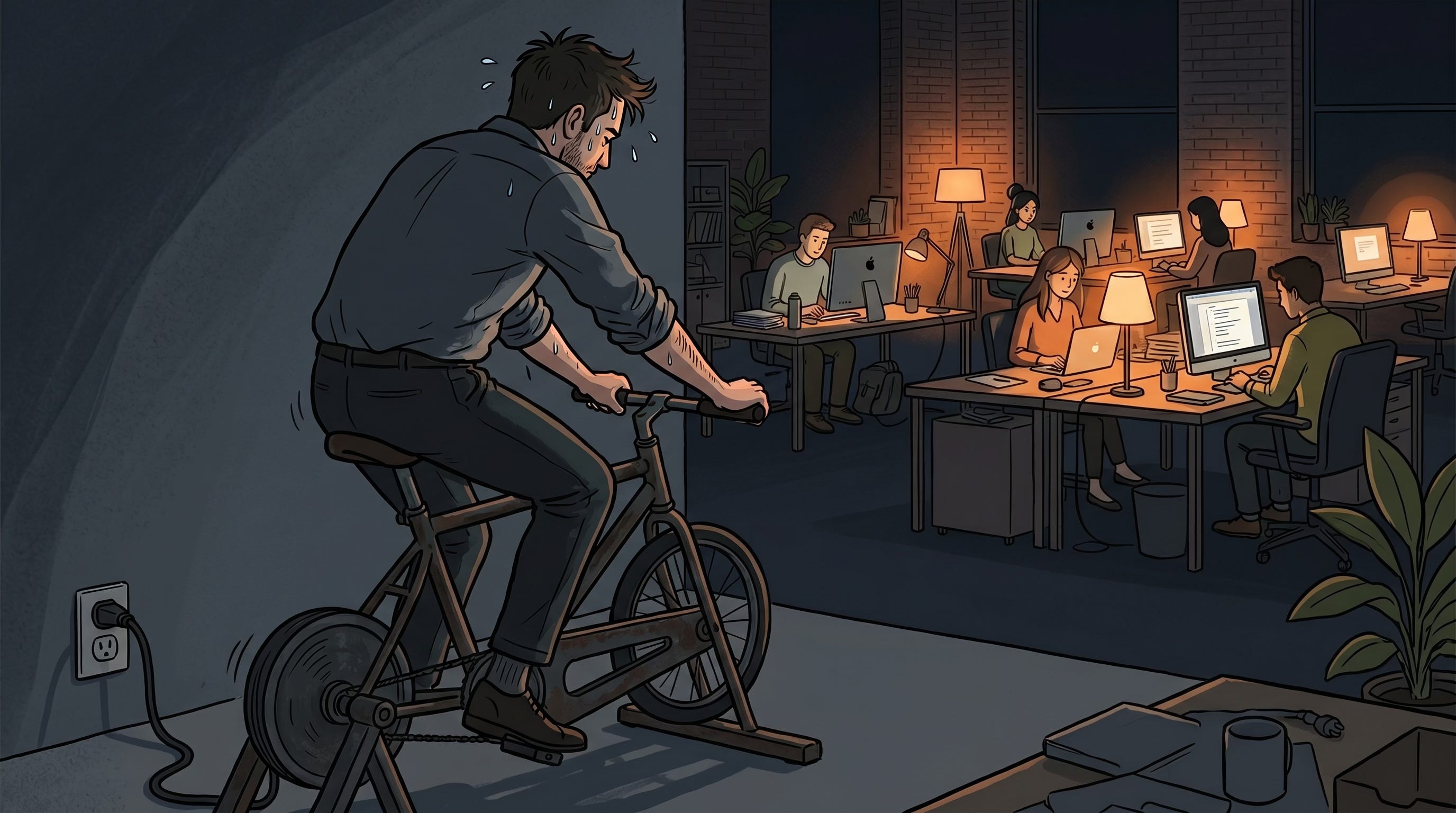
Yota Trom calls it “scarcity leaks”. You don’t have to tell your team you’re worried about money. It still shows up in the way you behave.
A hire you’d normally make starts feeling too risky. You start hesitating over spending the business can afford, and every extra cost feels more personal when your own finances are stretched.
You can tell yourself you’re being careful, but it gets much harder to know whether that’s true when you’ve spent months worrying about whether you can afford your own life.
Damon Flowers knows that telling staff how worried you are can make them wonder whether their jobs are safe. You don’t want to take the whole thing home either, so a lot of it stays in your head while you’re still expected to make decisions about where the business goes next.
That’s the part of underpaying yourself that gets missed. You’re asking the person making some of the biggest calls in the business to keep making them while worrying about money all day.
When taking less still makes sense
Peter Watson works out what he needs to live on, takes that and leaves everything else in the business. Money left in the bank keeps you going through a bad month and gives you the chance to spend when something worthwhile comes up.
Peter lived that way for years. Even once the business was doing better, he was still judging purchases against an old £5-an-hour wage and says it’s hard to “unlock” that way of thinking once you’ve lived with it for long enough.
That habit stayed with him after the immediate need had gone, and I recognise some of that too. Spend enough years telling yourself that every pound you take out should have stayed in the business and it becomes surprisingly difficult to know when you’re allowed to stop.
How much you should take will change with the business. There are periods when taking very little makes sense, and some businesses can’t afford much. Keeping another £1,000 in the business matters more that month than taking it home.
At some point you have to ask what living like that is doing to you. If you’re constantly in survival mode, can you still make good decisions? If the answer is no, keeping your salary low isn’t helping the business in the way you think it is.
You need enough stability to think clearly and keep making good calls. Without it, the business gets worse decisions from the person it depends on most.


It's one of the most common tradeoffs and there is no boiler plate answer as there are so many "depends". My own founding journey has included 50% to 90% pay cuts and periods of zero pay. As an investor I think about it differently - I don't want the founders mental energy getting drained by personal finance issues whilst I also want the founder to set a decent example that is culturally robust around pay and incentives - so between those two points is a zone where we can all find a model
It is one of the topic under discussed yet has direct effects not only in your business but in your life decisions too