



When cash flow tightens and the revenue forecast dips, it feels reassuring to cut the thing that looks expensive on paper.
Then a few months later, you realise it was doing more work than you thought.
Pressure makes bad cuts feel rational, and a bad cut rarely looks bad at the time you make it.
Nadia Codreanu, the CFO who writes The Profit Lens, has seen that pattern up close more than once. In this guest piece, she explains the difference between costs that protect the business and cuts that bleed later.
This is how to tell which is which before you find out the hard way. 👇🏻

There’s a mistake I’ve watched businesses make in every crisis I’ve lived through professionally. They cut without understanding what they’re actually cutting.
When pressure hits, most founders open the P&L, look for costs, and start cutting. It feels like action. In the short term, the numbers improve. EBIT recovers, cash extends, and the board is satisfied. Then, quietly, something else begins to break.
The cost that saves your business and the cost that damages it can look identical on a P&L. Both are line items with a number attached. Neither comes with a label that says “don’t touch this one.”
Understanding the difference matters before a crisis forces the issue.
The cut that looked rational
During a cost optimisation process I observed at close range, a leadership team made a decision that looked entirely rational on paper.
The business was under pressure because revenue was uncertain. The instinct was to reduce costs and protect margin, so the leadership team restructured the sales bonus scheme.
The new scheme was harder to achieve, rewarding growth rather than managed business. The logic was sound. What happened next wasn’t in the model.
The sales team, already navigating a difficult market, read the new scheme as a pay cut disguised as a restructure, and motivation collapsed.
The people who had the deepest client relationships, the ones who’d built the revenue base the business was trying to protect, started disengaging. Some left, some stayed but stopped trying.
In one quarter, revenue fell by half. It wasn’t the bonus scheme alone. It was what the bonus scheme communicated: that in a moment of pressure, the business chose its own margin over its people.
The signal travelled fast, and behaviour changed. Client relationships weakened and revenue followed. The cost of the old bonus scheme was visible. The cost of the new one didn’t show up until it was catastrophic.
The damage shows up later
This isn’t a professional services problem. I’ve seen the same dynamic in technology companies, retail, manufacturing, and early-stage startups. The business changes, but the mistake doesn’t.
A founder I worked with decided to cut a sales team that wasn’t delivering results. The logic was straightforward: three quarters of missed targets, no visible pipeline activity. The cost was significant and the return appeared to be zero.
What nobody measured was the conversion cycle in their industry. Six months after the team left, several of the prospects they’d been nurturing signed contracts with competitors.
The relationships had been built. The trust had been established. The work of eighteen months had been done. But the people who had done it were gone, and the business that benefited wasn’t the one that paid for the work.
The founder had cut a cost that looked like overhead. It was a driver. The damage didn’t appear on the P&L for two quarters. By then the connection between the decision and the consequence was lost.
The cut looked sensible that month. The revenue damage appeared later, when contracts that should have landed did not.
That’s how driver costs work. The saving shows up first. The damage arrives later, after the decision has already been made and explained away.

Not every cost is overhead
In twenty years of finance, I’ve come to think about costs in two categories that don’t appear anywhere in standard accounting.
Overhead costs support the business without directly generating revenue or client relationships. Tools, subscriptions, office resources, administrative functions, non-client-facing processes.
These costs matter. The business couldn’t function without them. But if you reduce or remove them, the revenue engine keeps running. Clients don’t notice. Relationships don’t break, and the pipeline doesn’t shrink.
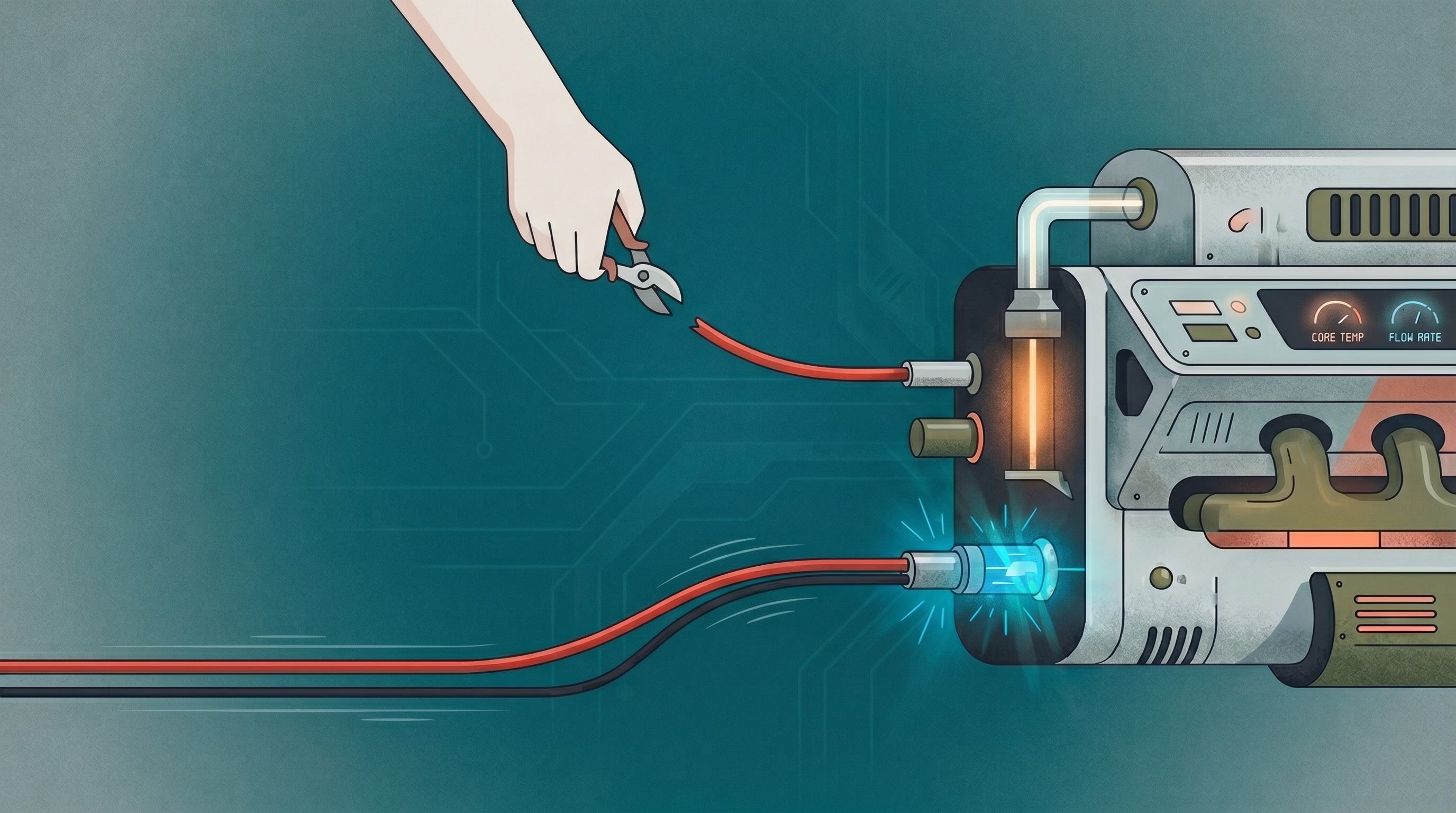
Driver costs are directly connected to the business’s ability to generate and retain revenue: senior consultants who know client preferences, sales teams who hold relationship capital, marketing that fills the pipeline, and the specialist whose expertise is the reason a client renews.
These costs don’t just support the business. They are the business. When they’re cut, the damage shows up in revenue and retention, and the pipeline.
A driver cost is almost never obvious from the P&L line alone. A “consultant fee” could be overhead or the single most important relationship in your client base. A “sales incentive” could be a discretionary reward or the mechanism keeping your best revenue generators in the room.
The label tells you nothing. You have to ask the question.
Where cuts bleed
Across different industries and business models, certain categories appear again and again on the wrong side of the cut.
Sales support and business development activity
These feel discretionary when revenue is uncertain. They aren’t. Conferences, events, and relationship-building spend often show no visible return for months or years, and then a conversation from eighteen months ago becomes a signed contract. Cut this category and the pipeline doesn’t collapse immediately. It shrinks quietly over time.
Retention roles and people with institutional knowledge
The senior person who knows how every client thinks, what every internal process looks like, and where every relationship stands isn’t easily replaced. Their cost is visible, but their value usually isn’t. The moment they leave, the loss begins, but it often takes a year to fully appear.
Training and development spend
Cutting it feels safe because nothing breaks immediately. But a team that stops developing stops improving. In knowledge-based businesses, the quality of thinking is the product. When thinking goes stale, the work does too, and clients feel it.
Delivery quality investments
The tools, resources, and time that allow a team to do excellent work rather than adequate work. Cutting here cuts quality as well as cost. In markets where reputation drives referrals, quality is a driver cost.
Brand and trust-building activity
Content, thought leadership, community presence. These feel like nice-to-haves when cash is tight. But they’re often how future clients find the business in the first place. Cut them and the top of the funnel narrows. The effect appears six to twelve months later, when new business slows.
Ask these four questions first
When I’m working with a founder through a cost review, I ask four questions about every significant line item before I recommend anything.
1️⃣ Does this cost help us win work?
If the answer is yes, it’s almost certainly a driver. Anything connected to pipeline, business development, brand, or sales capacity belongs here.
2️⃣ Does this cost help us keep work?
Client retention in professional services is built on relationships, expertise, and consistent quality. Any cost connected to the people, tools, or processes that deliver these things is a driver.
3️⃣ Does this cost protect trust, speed, or quality?
Those three things are what reputation rests on in any service business. A cost that protects any of them is worth examining carefully before removing.
4️⃣ Would losing this cost show up later rather than now?
If the effect would appear in six months rather than six weeks, that’s a signal you’re looking at a driver, not overhead.
Start with the bank statement
The most reliable place to start a cost review isn’t the P&L. Open your bank statement and filter recurring payments, subscriptions, licences, and monthly commitments. List them.
You’ll almost always find costs you forgot you were paying for: tools adopted during a growth phase and never reviewed, licences bought for a team that has since changed, subscriptions that made sense eighteen months ago and no longer do.
These are almost always overhead. Start here. Reduce what’s not being used. Check licence volumes against actual usage. Ask vendors for discounts. In a difficult market, most will negotiate rather than lose the contract.
Then work through the remaining costs with the four questions above. Start with fixed costs, the ones that arrive regardless of revenue, then move to variable ones.
For each one, ask what would actually happen if it disappeared tomorrow, not what the model says. What would actually happen to clients, pipeline, or the people who deliver the work.
The answers will tell you what to cut and what to protect.
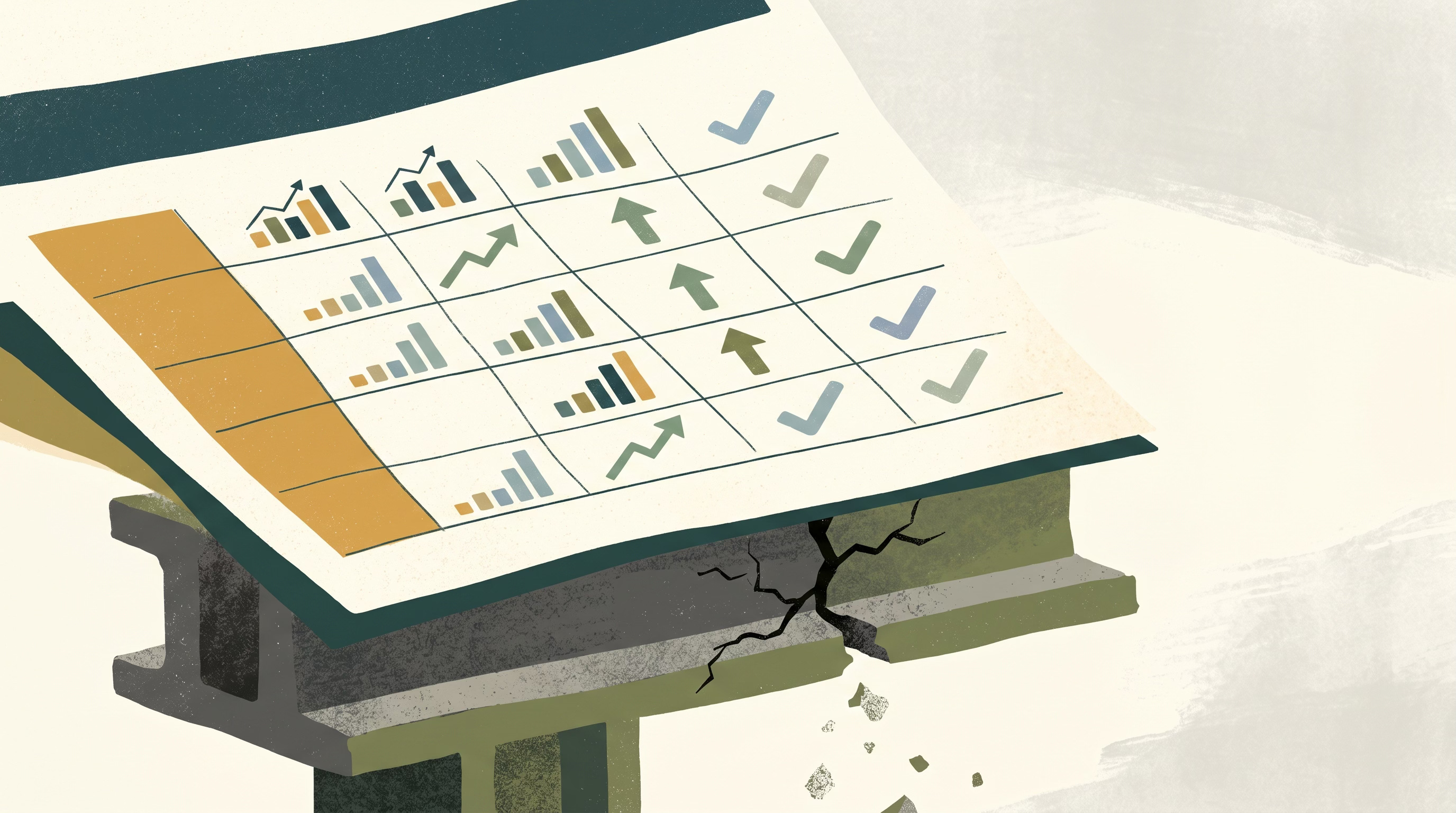
The spreadsheet won’t warn you
The founders who recover fastest from a difficult period usually know which costs can be cut and which ones will hurt the business if slashed.
Before you cut anything, ask what it’s actually doing for your business.
Overhead can usually be reduced without damaging the engine.
Driver costs can look similar on paper, but cutting them weakens the part of the business that brings work in and keeps clients.
The difference isn’t always obvious, but the cost of finding out the hard way is almost always higher than the saving that prompted the decision.


👤 Nadia Codreanu is a CFO with 20 years’ experience across corporate and founder-owned businesses. She writes at The Profit Lens about financial clarity, leadership under pressure, and the decisions that matter most for professional services founders. Connect with Nadia on LinkedIn.



I experienced this firsthand recently.
A large, global SaaS company cut customer success staff to invest in AI.
But they destroyed the trust and relationships they'd built through their hard-working people.
We're gradually distancing ourselves from the company and its platform.
I'm sure it seemed like a good idea at the time, but so short-sighted.
The framing of the impact of these cuts with those 4 key questions is simple but many people don’t take the time to look at these cuts with this important lens.