


I spent 15 years in news, running the show from behind the camera and the keyboard. My name sat on the masthead with the editor title, although plenty of the work carried no byline. I was used to making the calls without making myself the story.
Millennial Masters asked something different of me. I had to put my face on camera and publish ideas and experiences I’d previously kept private.
I’m not shy and I don’t lack confidence. New formats and more personal posts can still feel uncomfortable, although repetition means the cringe no longer makes every decision for me.
Lauren Currie gave me the best description of what this feels like:
“Making your dreams come true is embarrassing. It is uncomfortable, it’s sweaty, ugly, you pitch bad, you cry in toilets, you post things that make you cringe later.”
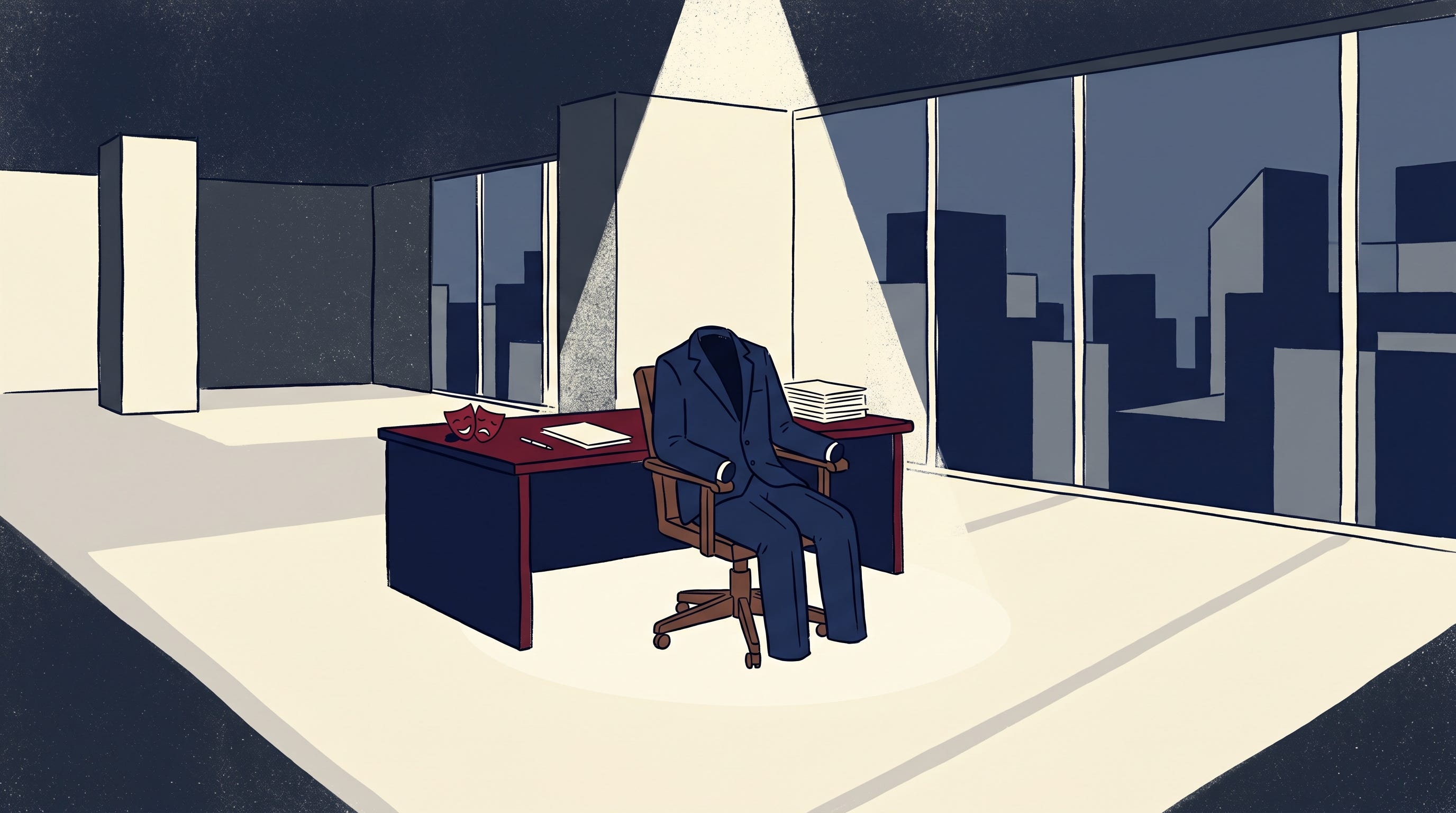
The cost starts when you keep avoiding it. 👇🏻
New here? Millennial Masters shares practical lessons from founders on building better companies and handling the parts of the job nobody prepares you for. Subscribe for honest ideas on growth, AI, leadership and the decisions that shape your business.
Nobody’s coming to discover you
The myth is that good work eventually gets found. Keep your head down and serve customers well, then wait for someone to notice.
Lauren calls that belief what it is:
“The lie that good work speaks for itself and that someone will eventually find you and call you an unsung hero is… a lie.”
When you’ve built your confidence by doing the work properly, talking about it can feel less worthy than getting on with it.
Yota Trom recognised where some of this comes from: “We grew up with this idea of work hard and your work will be recognised,” she said. “Well, that’s not true anymore.”
That belief came from a world where employers controlled most routes to opportunity. Now the people who might buy from you, back you or join you can hear directly from the person building the company.
Staying quiet limits how far the work can travel.
Modesty can become an excuse
The resistance usually sounds respectable. You want the product and the team to get the credit, and putting yourself forward can feel self-important.
Jess Jensen regularly hears leaders use modesty to justify staying out of sight. They say, “I don’t want this to be about me,” because they don’t want to look “puffed up and big”.
The instinct may be genuine, although the business still ends up without a recognisable human voice.
There’s also the discomfort of watching yourself learn in public. Early videos feel wooden, and speaking in public can bring back an identity you thought you’d outgrown.
Joe Averill remembers his hands bouncing up and down before a panel because he was so nervous. He connected it to the identity he had carried since childhood as “the shy one”.
An old version of you can still limit what you’re willing to do, even after you’ve proved it wrong.
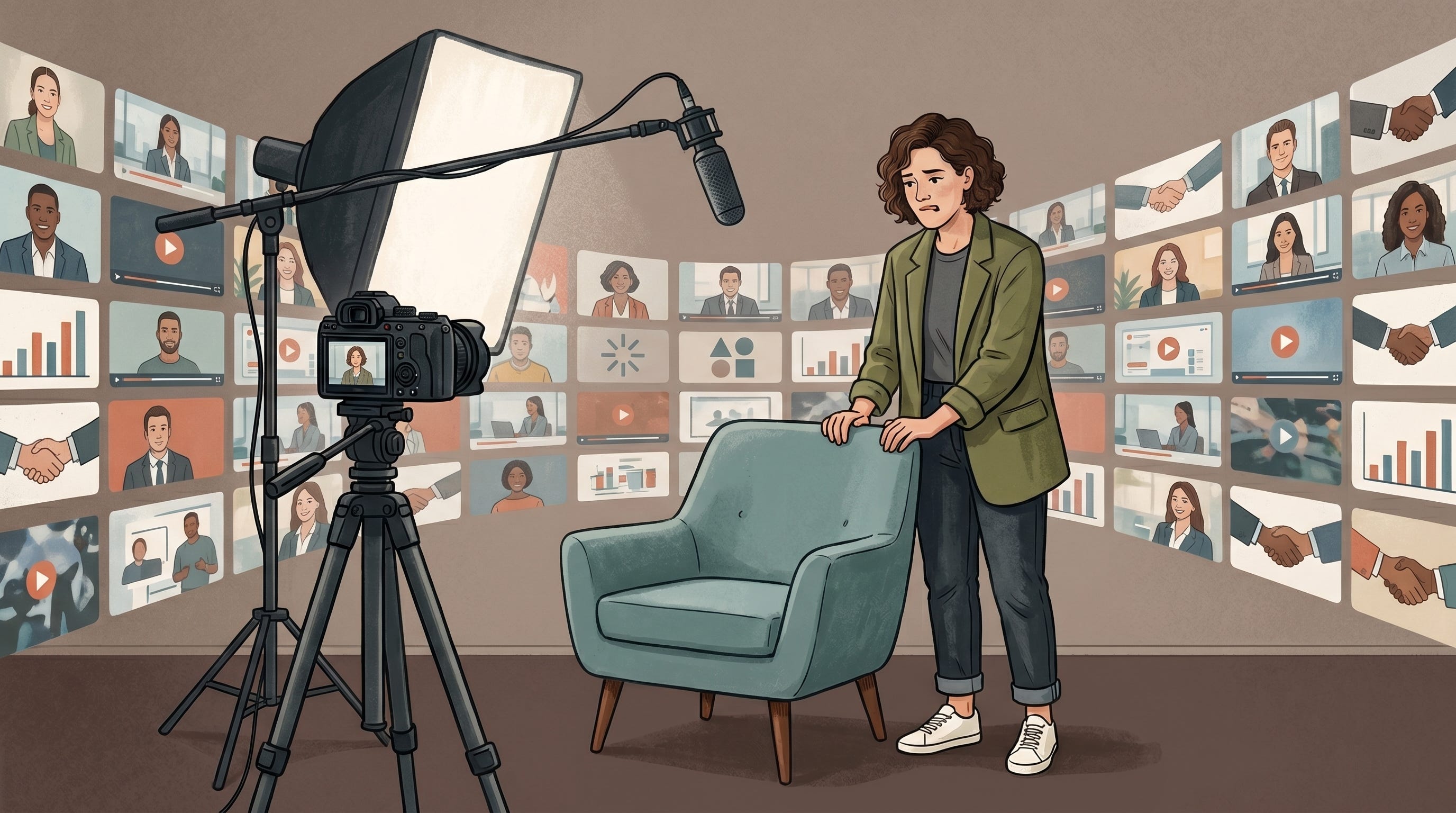
Tom Hutchinson-Smith found the camera brought out the same problem. “The moment that camera turned on, I couldn’t string two words together,” he said. “It was embarrassing. I honestly didn’t want to do it.”
That’s why knowing visibility matters rarely solves the problem. The hard part is being watched while you’re still learning.
The business pays for your absence
Visibility can look like a branding extra, which makes delaying it feel harmless. The cost shows up across the business.
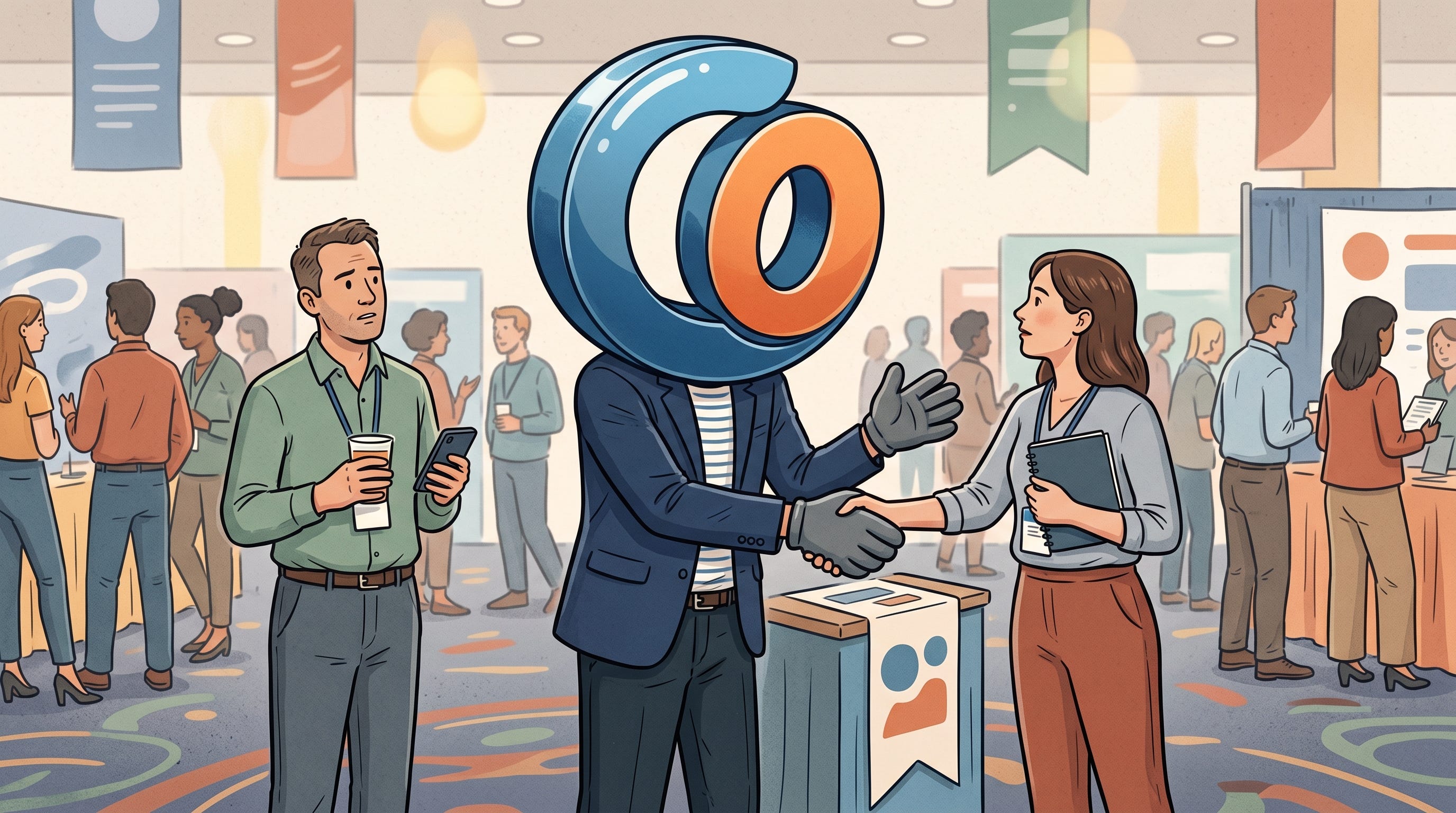
When you stay invisible, everyone outside the company has less context. Buyers struggle to place the business, and potential hires can’t see who they’d actually be working for.
When Yota is asked how companies attract top talent, her answer is to make the leadership visible. Candidates want to understand the person behind the job description and how the company is actually run.
Being visible gives buyers more reason to trust you before the sales conversation starts. A buyer who has followed your thinking for months arrives with far more context than somebody seeing a cold sales page.
Lauren took the argument back to the place founders can’t ignore: the bank balance. That’s the commercial cost of avoiding embarrassment.
Each post you avoid or appearance you turn down looks small in isolation. Over time, they become missed routes into the business.
AI makes hiding more expensive
The cost of hiding is rising because the internet is filling up with competent-looking work that nobody can place.
Gary Das said trust is at an all-time low because AI has made it possible for almost anyone to create a convincing video. His response was to build a stronger brand by showing more of himself as a person alongside the products.
AI can produce credible-looking work in seconds. The question is why anybody should trust whoever published it.
Anjeanette Carter called a personal brand “business insurance” in the age of AI. Her regret is that she didn’t start building hers earlier.
That connection can survive changes in the product or market, so you aren’t starting from zero every time the business changes.
You don’t need to perform
The mistake is assuming visibility requires a performance. That leads to content so polished that the person disappears from it.
Jess said leaders still feel pressure to look perfect. Her view is that imperfection can become “your magic” because it shows humanity and makes you relatable.
People only need enough of your real thinking to understand what sits behind the company. You can still keep boundaries and publish work you’re proud of.
You can explain a decision or share what changed your mind. Lauren described it as “sharing to learn rather than trying to shine”.
Your face and voice make the thinking behind the company easier to understand and remember. The business needs that connection more than it needs another perfect company update.
Pay the cringe tax
There’s no clean route around the awkward stage.
Tom’s advice is to get the first 100 videos out of the way because they’re probably not going to be very good. Repetition makes the camera feel more normal and helps you sound like yourself.
The same thing happens whenever you put your work in public. Your early attempts feel overly self-conscious, but doing more of them teaches you what sounds like you and what belongs in public. Waiting until you feel ready only delays the practice you need.
That’s the cringe tax: being publicly average at something until you become good at it.
Staying hidden leaves you dependent on people finding the company by accident. They need to see who’s behind the work before they have a reason to remember it.
Paying the cringe tax is cheaper than making the business pay for your absence.


The respectable-sounding reluctance is the one I see most, Daniel: it dresses itself up as humility when really it’s just the fear of being seen before you feel polished. With the senior professionals I work with in regulated worlds, it compounds, because they persuade themselves visibility is a professional risk rather than plain discomfort. When you’ve coached someone past those first stilted attempts, what finally makes them keep going?
If you aren't willing to be publicly average for a minute, you're essentially outsourcing your company's growth to luck. Sharing to learn beats trying to shine every single time.