


The tiny company is no longer a joke. A few years ago, building a proper business with a handful of people still sounded far-fetched.
It usually came wrapped in internet bro nonsense: run a small empire from your laptop in Thailand while the tools do the work. Now the serious version is finally showing up.
In Millennial Masters conversations with people building around AI, I keep hearing the same shift: one skilled person can now do work that used to need a bigger team.
The part people keep skipping is that the person has to be good. 👇🏻
Hiring gets harder at the bottom
Anjeanette Carter says AI turned her into “an army of copywriters”. She made the “very, very tough decision” to stop working with writers because she could take that work back in-house. She could do that because she already knew the craft well enough to judge the work herself.
Nick Holzherr noticed firms are “not hiring junior marketing people anymore” in the same way. They’re hiring more senior people who can use AI, so “they just need less people.”
Thibault Louis-Lucas runs several products without employees. He partners with “one very skilled maker” for each one and expects AI to remove more of the work that used to require layers of management.
The standard goes up
This is the part most AI hype gets wrong. A smaller company raises the standard of the people inside it.
Anjeanette could take copywriting back in-house because she already knew what good looked like:
“AI is an amazing tool. But it’s only an amazing tool if you can marry your expertise with it. If you don’t have expertise in a specific area, AI isn’t going to make it better. It’s only going to amplify your limited knowledge and expertise.”
AI helps when you already know what good work looks like. Without that judgement, it gives you more work that still needs fixing.
The work that needs you
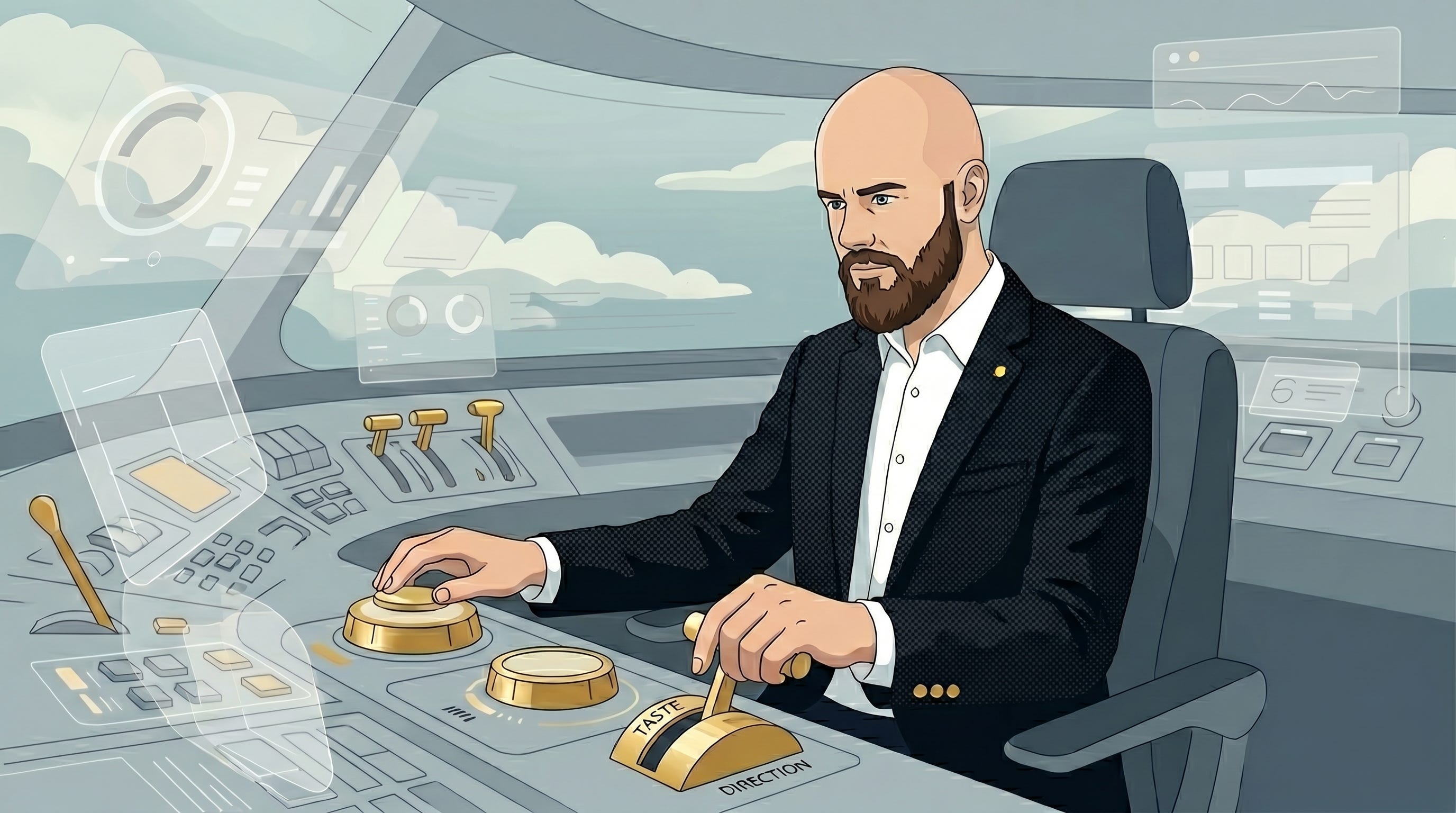
AI can clear away work that eats up the day and leave you more time for decisions that still need you.
James Augustin says humans should spend more time on work that is “innately human”, especially where another person still needs to believe you.
You shouldn’t be spending all day dragging work through admin and early drafts. Let AI take more of that work while you stay close to the decisions that shape the company.
The fantasy falls apart
There’s a lazy version of this story that needs shutting down.
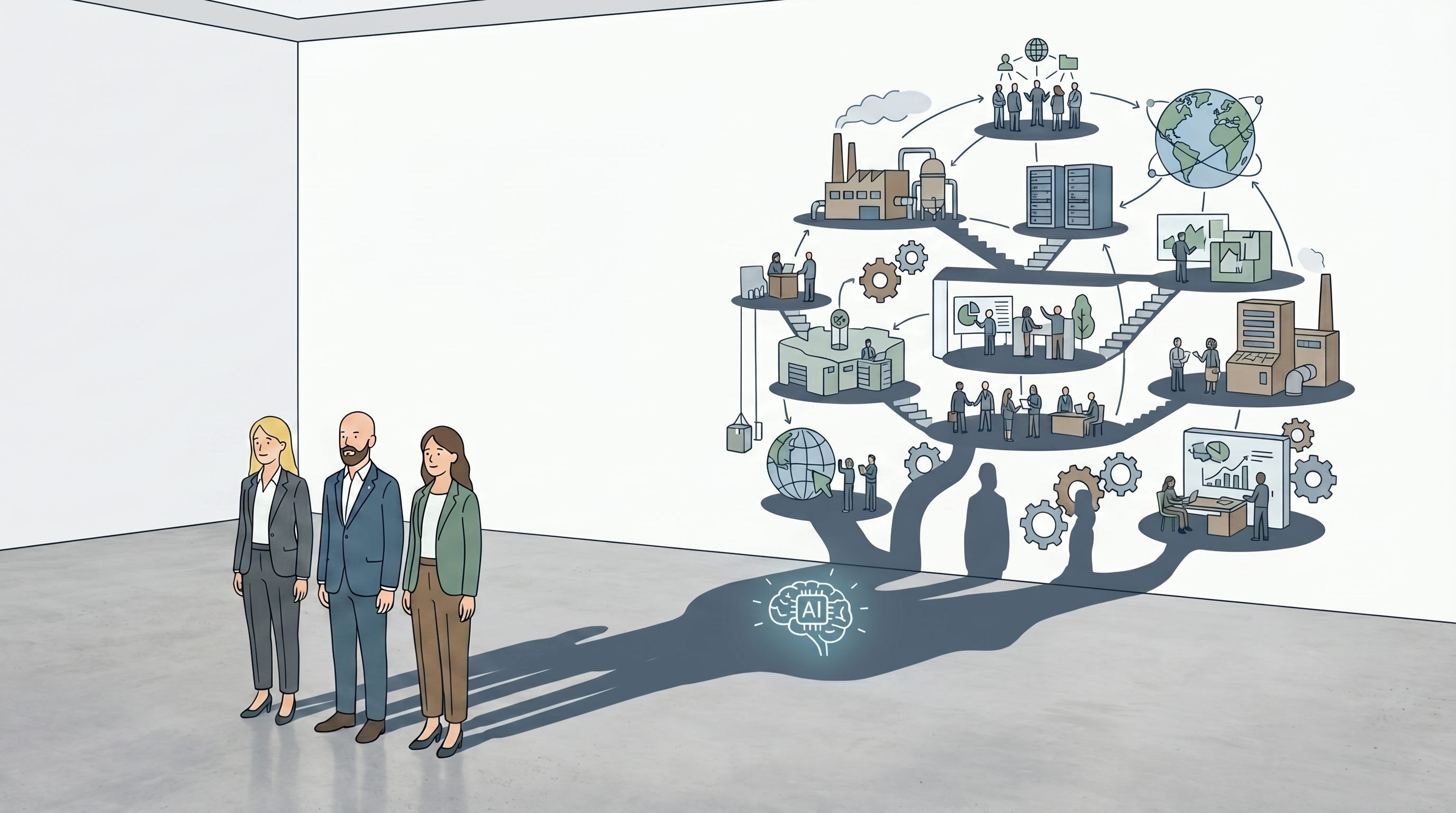
It’s the one where AI agents run the whole business while you disappear, and companies switch off whole teams because the software can handle everything. That isn’t what the founders I’m speaking to are building.
Josh Payne once thought we were close to fully self-improving agents that could do everything without human involvement. He changed his mind.
“Human plus AI is currently still better than AI only in most cases.”
Ben Tasker told me about an organisation that tried to replace a call centre with AI, laid off the employees, realised the AI was horrible and had to hire everyone back a few weeks later.
A tiny company only works if you know where the tool stops being good enough and your judgement has to take over.
Now you have to get people to care
You can make more things with a smaller team now, which also means more things are competing for attention. You still have to know who the product is for and how it reaches them.
Tibo asked: “Imagine if you do not need developers at all to create products… where is the value then if it’s not in the product itself?” His answer is distribution and storytelling.
Jason Tan built small useful tools at Engage AI that reached the right people before they knew the main product existed.
For Simon Jenner, lower tech costs also make some markets worth serving that previously weren’t. A niche audience can support a leaner product when the build cost drops far enough.
A small audience can be enough when you know how to reach it.
Bad calls have no place to hide
AI cuts jobs from the org chart faster than it removes the need for somebody to know what good looks like.
In a tiny company, fewer people are left to catch a bad call before it costs you.
The laptop-in-Thailand fantasy missed that part.
The smaller the team gets, the more expensive bad judgement becomes.


The idea of the solopreneur used to mean sacrificing quality for the sake of automation, but leveraging AI successfully really just boils down to having exceptional taste.
Great article Daniel. I love the part about still needing to be good. You still need that judgement and expertise, which AI can't replace.