


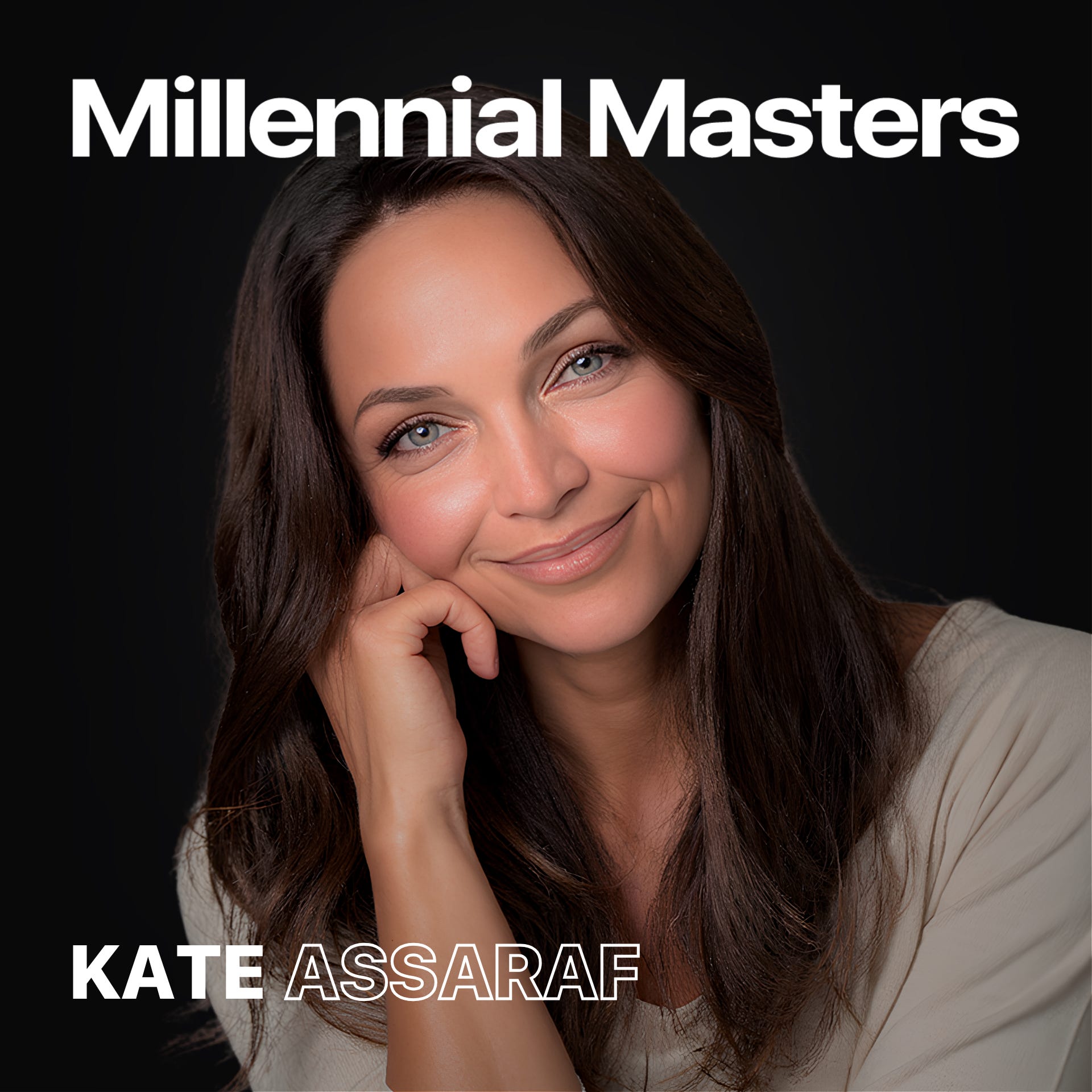
Kate Assaraf built Dip to seven figures while turning down some of the growth channels most founders chase.
She doesn’t sell on Amazon, and she hasn’t relied on Meta or TikTok ads. Instead, she built the business through independent refill stores, salons, and surf shops, one relationship at a time.
On paper, some of those decisions look expensive. Kate believes the opposite. The shortcuts were the expensive option.
Beneath the sustainable beauty story is a bigger question about how businesses grow and what happens when convenience starts pulling you away from the thing that made people trust you in the first place.
Whether you’re building a SaaS company, a consultancy, a media business or a consumer brand, the tension is the same. Every growth decision changes the business underneath it.
🔗 Find Kate on LinkedIn
Key takeaways
1️⃣ The shortcut usually costs more
A lot of founder shortcuts look attractive because they promise speed. Kate’s experience was the opposite. The co-founder she didn’t need, the agencies that overpromised, the marketplaces that could have accelerated growth. Again and again, the expensive mistakes came from trying to find an easier path. The businesses that last are usually built on stronger foundations than people realise.
2️⃣ Selling once isn’t the win
Kate spent years watching beauty brands sell products through clever marketing. What changed her thinking was a simple question: does the customer come back? A first purchase proves your marketing worked. A second purchase proves the product worked. That distinction shaped everything about how she built Dip and it’s relevant to almost any business.
3️⃣ Trust is becoming a competitive advantage
Fake reviews, AI-generated content, SEO games, affiliate incentives, misleading sustainability claims. Consumers are surrounded by noise. Kate’s response wasn’t to play harder in those channels. It was to get closer to customers and retailers. As trust becomes harder to earn, businesses with genuine relationships have an advantage that can’t be copied overnight.
4️⃣ Growth changes the business underneath
Every new channel brings trade-offs. Amazon could probably make Dip much bigger. Kate knows that it’s what happens to the business when you become dependent on it. Founders often focus on the growth opportunity in front of them and spend less time thinking about the long-term consequences attached to it.
5️⃣ Generosity compounds
One of the more unusual parts of Kate’s story is how much she invests in people. Retailer trips, events, partnerships, personal relationships, support for independent stores. Most founders default to frugality when resources are tight. Kate’s view is that generosity creates trust, loyalty and opportunities that don’t show up immediately on a spreadsheet but compound over time.
In this episode
00:00 Introduction to Kate Assaraf
02:09 Starting again after a co-founder split
04:22 The beauty marketing tricks Kate rejected
06:11 Why refill stores changed the business
07:39 Building through independent retailers
09:18 Going analog when everyone went digital
10:09 Why small stores became the real influencers
11:44 The expensive lesson of taking on a partner
15:11 Competing with beauty giants, not other bar brands
17:37 Selling sustainability without guilt
18:57 Why Dip refuses to sell on Amazon
23:13 The real cost of marketplace convenience
26:40 Why paid ads don’t fit this brand
29:09 The trust recession in beauty and ecommerce
36:43 The biggest lie in beauty marketing
39:09 Why Kate started her own factory
44:17 Why generosity beats frugality
45:13 Why shortcuts always cost more
48:52 Working with your husband without chaos
50:17 Rethinking growth and success
51:29 The real sacrifices behind building Dip
53:00 Costly founder mistakes and bad vendors
57:06 How to avoid getting sold the shortcut


