


Back in April, a new poll sent a shock through British business: nearly half of UK professionals would consider quitting if forced back to the office full-time. For women, that jumped to nearly 60%. In a market already stretched for talent, this is a reset moment for employers.
And it’s personal. I interviewed dozens of founders on Millennial Masters, all wrestled with the same questions: What actually works? Is hybrid a halfway house or just a muddle? Can remote give you a global edge, or will it chip away at your culture?
Seems like everyone’s making it up as they go along. Here are the insights from 13 Millennial Masters 👇🏻
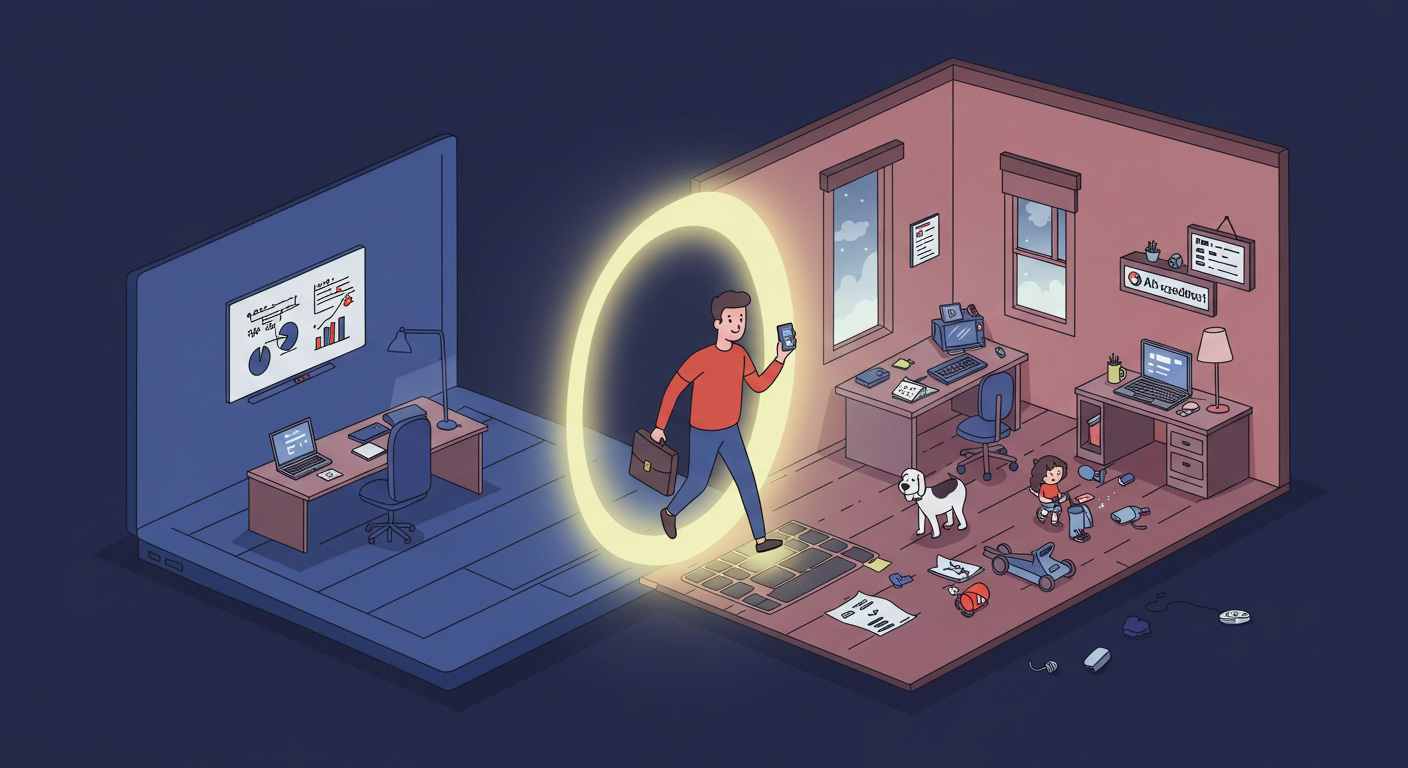
The office isn’t dead, but the spell is broken
Traditionalists still make the case for getting everyone in a room.
Michael Buckworth (Buckworths), who runs a law firm specialising in startups, was clear: “We want people in the office full time. We have an expectation that the team will be in the office full time. And we only recruit people who sort of buy into that.”
He was blunt about why: “When we interview candidates who have been working a significant portion of their time from home… their technical skills are not up to scratch and very often their experience isn’t what we would expect.”
It’s not just lawyers. Nick Telson (Trumpet), reflecting on his first startup, said, “I don’t think DesignMyNight would have been successful if we were remote. It was such a… tight togetherness, a bond that we were in this together.” The serendipitous moments, the overheard sales call, the post-work friendships… none of that, he said, happens on Slack.
Jack Good (Reuseabox), meanwhile, splits his time, but still gravitates toward the office. “I like working in the office, to be honest. Sometimes I like to feel what’s going on.”
He saw the best ideas spark off chance encounters, not scheduled calls: “There’s a certain magic you get when ideas are just off the cuff and shared.”
But even office champions admit it comes at a cost. “Commuting is brutal, especially in London,” said Nick. “And now, not everyone wants to live there, or can.”
Everyone’s doing hybrid, but nobody’s cracked it
Hybrid working has become the UK’s default. The survey data says three-quarters of professionals now split their time.
Stefan Husanu (Pith & Stem) called it “the best of both worlds,” but admitted it’s only smooth with clear rules: “On Mondays and Fridays everyone needs to be in. Of course there’s exceptions… but on a Friday, it just gives you the ability to talk about things in a different light.”
But hybrid isn’t a free pass. Peter Watson (Featured Group), who’s led teams both ways, wasn’t convinced. “The hybrid thing for me is interesting… The issue is, you don’t get the benefits of remote working. I can’t hire the guy from Malaysia, I can’t hire the girl from Argentina, because they have to be in office two days a week. It doesn’t make sense.”
For Peter, it’s either all-in on the office or all-in on remote — and if he was building Distract again, he said, “I would a hundred percent do it remote.”
What actually works? Francesca McClory (FutureCloud Accounting) said it comes down to radical transparency. “If you include [the team] from your first visionary thought, they’re going to be more on the page with you than they’re not… If you just throw it at them ‘this is what we’re doing, you’re working from home, get your laptops’… that’s where toxic behaviours can happen.”
Culture doesn’t happen by accident: it takes intent. As Gemma Price (HubGem) put it: “We give people the autonomy to get on with it and the capacity to. If I found out a team member was working over their contracted hours, that’s a me problem… I trust them wholeheartedly.”
Remote reality: More freedom, more trust, and a global edge
Remote work still divides founders. Some love the freedom and talent reach. Others quietly worry about what gets lost in translation.
Yehong Zhu (Zette), who built her startup remotely, was all in: “The benefit of hiring remotely is that you get access to a global talent pool. That’s really huge.” She was blunt about the old way of thinking: “At the time, it would have been insane to not have met someone in person… Now, it’s normal.”
Peter Watson, once a champion for the office, said, “If I was doing it again… I would a hundred percent do it remote.” For him, remote means more than flexibility; it’s a business edge.
“I want to hire the best hand for my business wherever they are in the world. I don’t want to be restricted to Newark… How can I grow the best company if I’m hiring from a hundredth city in the UK?”
Gemma Price saw it too: “Everyone is remote and yet I genuinely feel more part of this team than when I’ve worked on location in offices with people.” For her, “Culture does not equal perks. Culture is not, hey, we buy you a coffee every month, but treat you like rubbish.”
Kieran Jones (Freethought Group) built his business across multiple time zones and keeps it simple: “I’m interested in the output, not really how you do it. If our support staff are delivering support, so long as we’re responding to tickets… I’ve never had a reason to worry about the remote working.”
His advice for other founders: “Trust the people you’ve hired. If you try to do everything, you’re going to end up stressed about everything.”
William Stokes (Co-Space) cares about one thing: results. “As long as stuff’s getting done, however you get around that doesn’t matter… I just say to my guys, just be yourself, just be you. You’re in control of doing your role as best as you [can].”
The only thing he won’t tolerate is micromanagement: “With me, you don’t need to earn trust. You’ve got it already. If you break it, you’ll never get it again.”
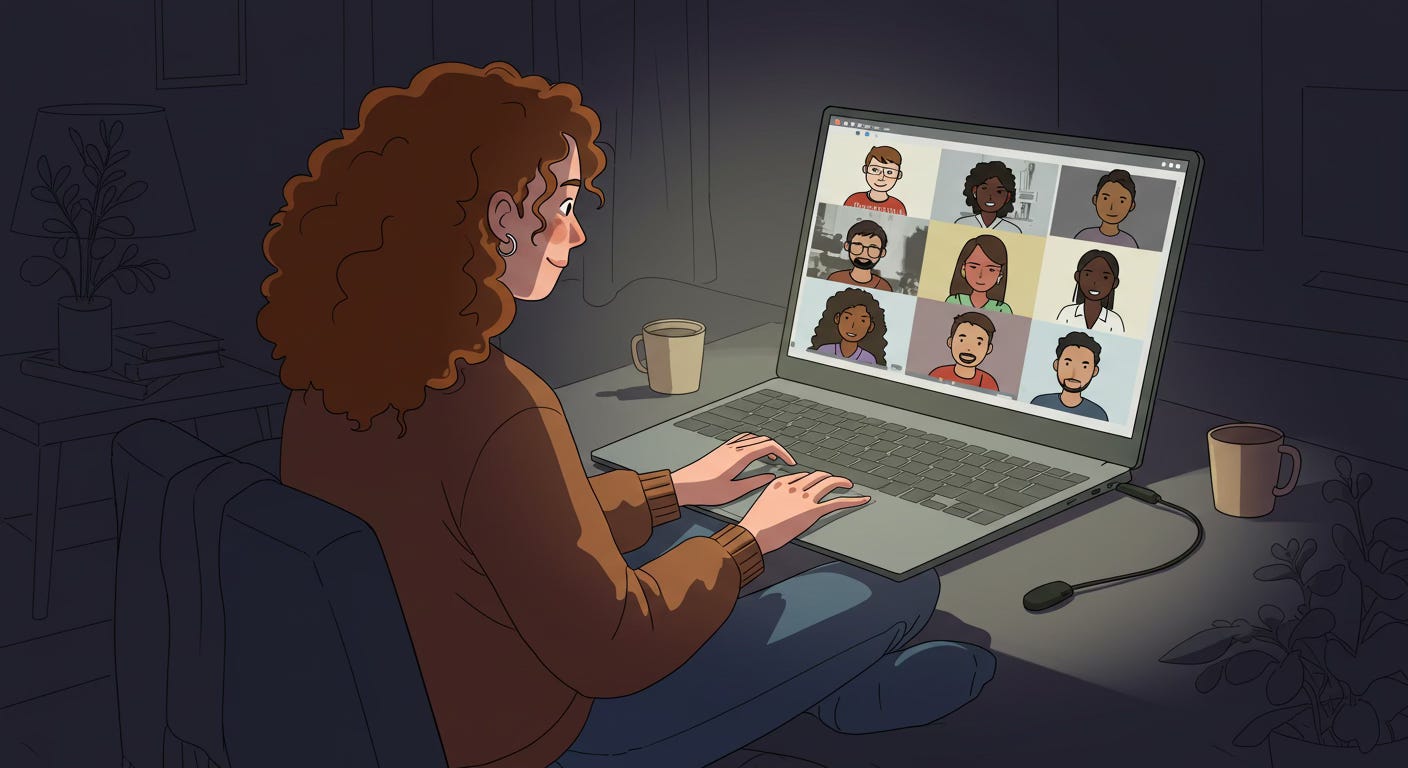
Building culture: You have to work at it
Either way, culture is work. Noel Andrews (JobRack) has built a fully distributed team and advised to, “Be intentional about it… We work really hard to celebrate our wins. We spend time together not working.”
He leans on little rituals: “Coffee calls every month, fun team meetings, birthday cards, work anniversary cards… lots of little things that add up to a really, really great team culture.”
Lexie Kirkconnell-Kawana (Impress) pointed out the upside of remote hiring: “I don’t have to be so London-centric as a business anymore… I get to bring on people from a lot of different places that otherwise I wouldn’t have.”
But she also saw the challenges in listening to staff needs: “I don’t see any business having the silver bullet solution… It’s really about thinking clearly about the needs of your business and the needs of your people.”
Deliberate check-ins and real trust hold remote teams together.
Tom Wallace-Smith (Astral Systems) said managing a remote co-founder relationship is “like a marriage… We check in with each other very, very often.” When the team is remote, “making the time and space for those sorts of discussions is essential.”
What hybrid gets right (and wrong)
Joshua Western (Space Forge) has seen every flavour of hybrid, from bedroom-built prototypes in Romania to late-night sprints on trains across the UK.
“The pandemic forced us to be entirely remote… We got very used to working on hardware over Zoom, even though it’s difficult,” he recalled. Now, Space Forge keeps just seven desks for seventy staff, so hybrid is the only way.
“Come into the office if you have to be in the office. The team come in when they need to, they get the tasks done when they need to.” Flexibility wins at Space Forge, but only if you trust your people.
“If the work wasn’t getting done, then I’d be concerned. But we know that it is. One of the privileges of running a startup is you get to trust people to help build your vision. If you don’t trust them, then maybe you shouldn’t be doing it.”
For Joshua, the sweet spot is autonomy: deep work happens wherever it needs to, whether that’s a Bristol garage or a quiet train carriage.
Hybrid, done right, can balance connection and flexibility.
Stefan Husanu said, “Hybrid for me is the best of both worlds… every Friday we all tend to go together, grab a beer at lunch or have a nice meal somewhere.” The rule is simple: “On a Monday and a Friday, everyone needs to be in. The rest of the week is open.”
But hybrid can be a fudge: a way to dodge making the hard call. As Peter Watson pointed out, “The benefits of remote working don’t work when you’re doing hybrid. Because I can’t hire the guy from Malaysia… because they have to be in the office two days a week.”
Where work goes from here
There’s no going back to the world before 2020. The future of work is a live experiment, and the founders shaping it are building systems that flex.
Gemma Price’s approach is pure trust: “I’m not micromanaging. We don’t do any of that. It’s a case of this is what’s expected and there are some high expectations, but we give people the autonomy to get on with it… If I found out that a team member was working over their contracted hours, that’s a me problem.”
Jack Good spotted the catch: “The trick is… how do you give people quiet focus space, but also… create those chance encounters so that people build more of a culture and a relationship with each other?”
The hybrid future calls for engineering the right kind of connection.
For Kieran Jones, remote only works when you “rely on the people you’ve hired. And if your business is at a point where you’ve got staff, then trust them.” Without that, hybrid is just chaos.
As he puts it, “If you trust people to do the work you assigned them, then actually you’re going to save a lot of brain power… and the business.”
Lexie Kirkconnell-Kawana framed it as a question, not an answer: “I don’t see any business having the silver bullet solution to this. I think it’s really, really about thinking clearly, really clearly about the needs of your business and the needs of your people.”
What comes next? Deliberate, sometimes messy experimentation. More companies embracing distributed teams, more rituals to keep people connected, and a lot more leaders asking, not telling, what works.
The leadership challenge: Build for flexibility, clarity, and trust, then adjust fast when the world changes. The founders who thrive will use this moment to rebuild work on their own terms.
No more pretending there’s a single right answer. The future belongs to those willing to rethink everything, keeping what works, ditching what doesn’t, and ignoring the noise.


