



The real test of an AI setup comes when the tool suddenly disappears.
That’s when you find out whether you’ve built a useful way of working or just got very good at using one model.
If the prompts, context and checks only make sense inside that tool, changing models means rebuilding far more than it should.
Raghav Mehra is a tech consultant and AI practitioner based in Spain, who writes the Cash & Cache newsletter.
In this guest piece, he looks at the simple habits that keep the work moving when the model changes. 👇🏻
New here? Millennial Masters shares practical lessons from founders on building better companies and dealing with the parts of the job nobody prepares you for. Subscribe for the next one.
One AI model went offline for three weeks. Some of the work disappeared with it.
Anthropic launched Fable 5 and Mythos 5 on 9 June. Three days later, both were suspended under US export controls. Access returned on 1 July.
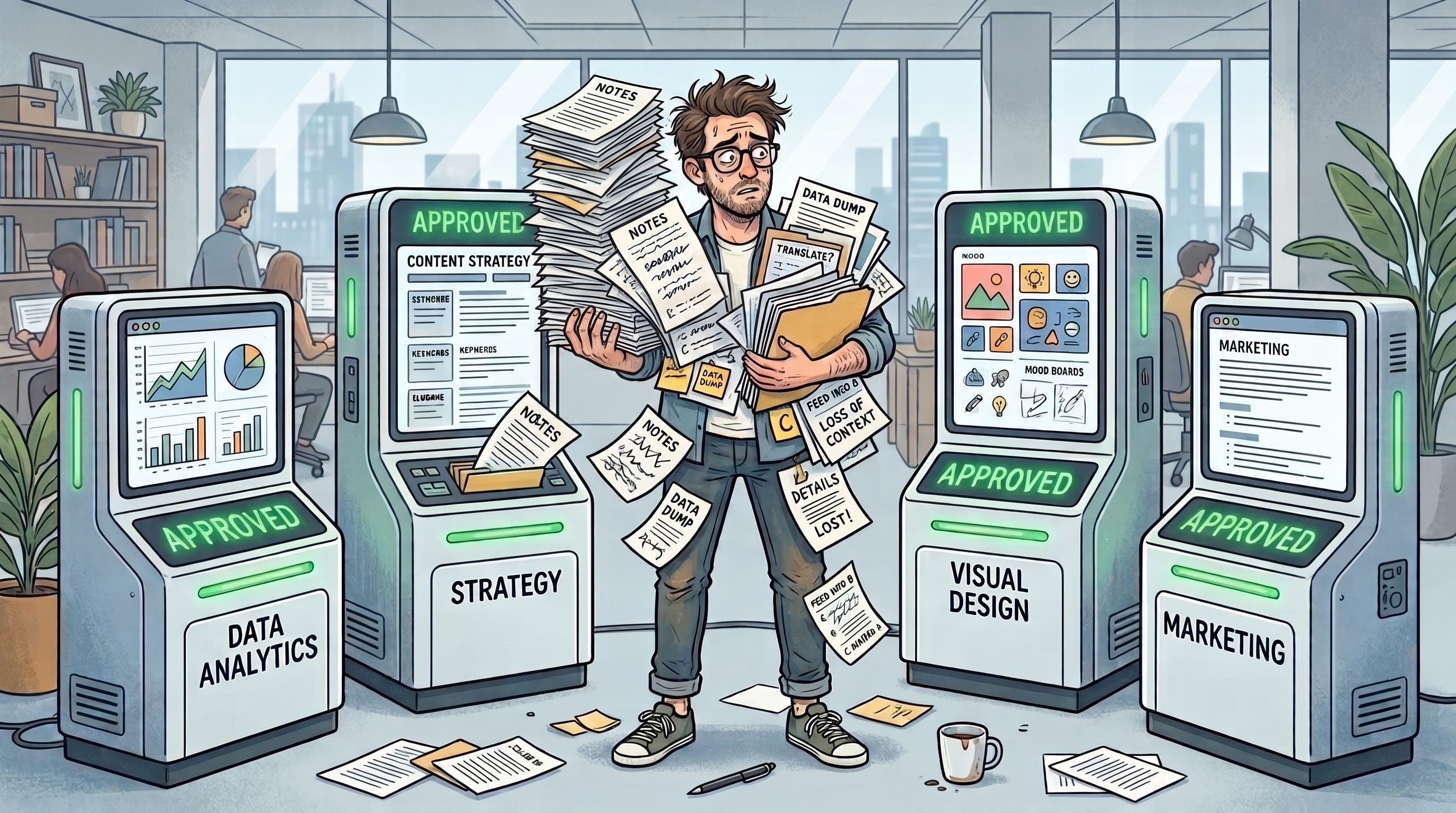
The interruption exposed a problem that had been there all along. Too much of the work depended on one model’s prompts and quirks.
When the tool vanished, people had to rebuild the context and find another way to check the results.
The tool you rely on can change or disappear with little warning.
When changing models means starting again, too much of the work belongs to the tool.
More tools won’t fix it
When a model disappears for three weeks, the obvious reaction is to add more tools.
You spread the work around and tell yourself you’re safer. Often, you’ve only created more places for things to get lost.
Adding another tool takes ten minutes and a credit card, which makes it feel like progress.
Learning a smaller number of tools properly, then cutting the ones you don’t need, takes more work.
Four subscriptions won’t save you if none of the work can move cleanly between them. You’re still stuck, only now you’re paying four bills instead of one.
The work between the tools is still yours
Models keep getting better at drafting, coding and checking work.
Someone still has to decide which tool does what, pass the right context between them and catch the mistakes.
Take a normal sales process. One tool writes an email while another scores the lead and summarises the call.
Things can get lost between the score, the summary and what actually happened.
The tools can take on more of the tasks. You still have to join the work up and decide what to trust.
Three habits that survive the switch
This is where you stop starting from scratch every time.
First, can you give a new tool the context it needs in under five minutes? If everything still lives in your head or an old chat, changing tools means rebuilding the work.
Second, do you decide what the tool needs to ask before it starts? “Analyse this” leaves too much open. Asking it to show its assumptions first gives you a better chance of catching a bad answer early.
Third, how do you check the result? Asking the same model whether it’s confident isn’t a proper check. You need to check it against evidence or have someone who understands the work review it.
These habits let you change tools without rebuilding the work.
Find out where you’re stuck
You don’t need another tool for this. Take five minutes and answer four questions.
Context: Could you give a new tool enough information to pick up the work today? If not, too much still lives in your head or an old chat.
Before it starts: What should the AI ask first? If you don’t know, you’re still giving it loose instructions and hoping for the best.
Checking: Think about the last AI answer you used for something important. How did you know it was right? Asking the same tool if it’s sure doesn’t count.
Subscriptions: List every AI tool you’re paying for and write down the last useful thing each one produced. If a tool has done nothing useful for 30 days, cancel it.
Fix the habits before adding tools
Before you add another subscription, sort out how you use the tools you already have.
Keep the context somewhere you can move, and decide how you’ll check the answer before the tool starts.
Then a tool going dark becomes an annoyance you can work around.


👤 Raghav Mehra is a tech consultant and AI implementation practitioner based in Spain. He writes Cash & Cache, a newsletter on AI strategy and implementation, where 2,000+ subscribers get the actual workflows behind how he builds and runs things with AI, not just the parts that make it into a highlight reel. Connect with Raghav on LinkedIn.


This is why I tell founders to build systems, not dependencies.
The tool should support the process.
Not become the process.
A valuable reminder that resilience comes from the system, not just the tool.