



A late payment doesn’t need to be weeks overdue to cause damage.
Plenty of businesses are running close enough to the line that a single payment arriving one day late can throw off payroll, delay suppliers or force a scramble to move money around.
I’ve lived it and seen it first-hand. In tougher periods, having months of cash in the bank is a luxury few businesses can afford.
Nadia Codreanu, CFO and writer of The Profit Lens, looks at where those delays really begin, and why the problem often starts long before the invoice is overdue.
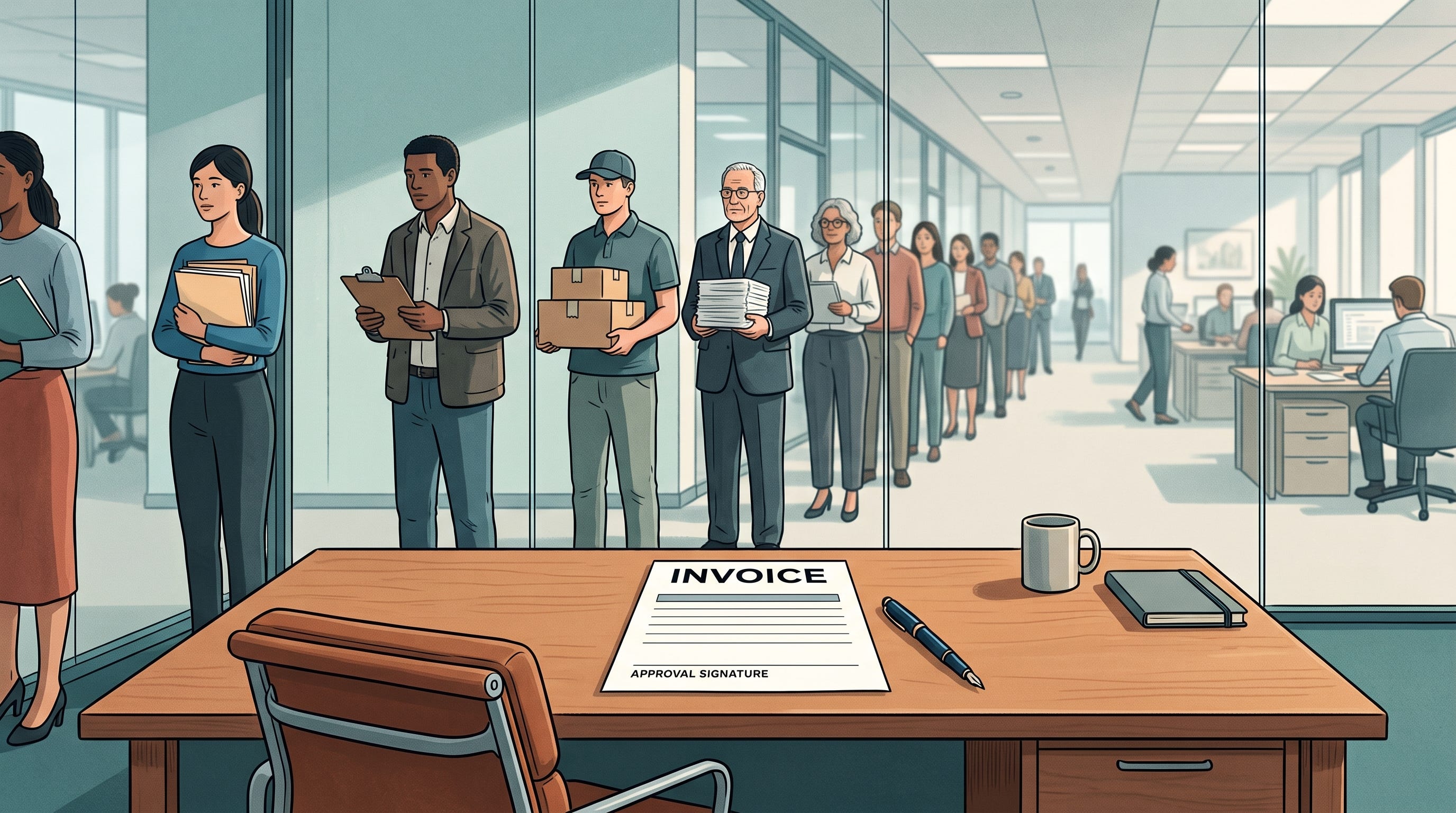
Late payments come up again and again during my consulting work with founders. What surprised me was how often the delay began weeks before the invoice became overdue, through missed approvals, unclear delivery terms or an invoice that never reached the right person.
It didn’t start with the invoice
Before you begin any work in a service or project-based business, you need a clear delivery process.
Start with a contract that defines the scope, timeline and deliverables. Confirm the payment details upfront too.
Understand the client’s procurement process, particularly with larger buyers. If they require a purchase order, make sure it’s approved before you start the work.
There’s another rule that’s easy to overlook. In services, the work is only delivered once the client formally accepts it. Sending it doesn’t mean the job is finished.
That confirmation, even in a simple email, should trigger the invoice immediately. Every day between acceptance and invoicing delays payment.
The invoice also needs to reach whoever actually processes payments, which may not be the person who ordered the work.
Staff change, especially in larger businesses. Lose track of the right contact and payment can stall for weeks.
Millennial Masters shares practical lessons from founders on building better companies and handling the parts of the job nobody prepares you for. Subscribe for honest ideas on growth, AI, leadership and the decisions that shape your business.

Every extra day adds up
Imagine two agencies delivering the same kind of project. One waits three days after acceptance to raise the invoice. The other sends it that afternoon.
Neither client necessarily pays late, but one agency gets paid three days earlier on every project. Across a year, those days add up.
Net 45 or Net 60 can feel generous when you’re trying to win the business. It feels different when you’re still waiting two months after finishing the work.
For many service businesses, 14 to 30 days is enough. Apply those terms consistently rather than renegotiating them with every client.
Asking for 30 to 50% upfront means you’re not carrying all the financial risk until the client pays. It also confirms that both sides are committed.
Some businesses pay late regardless of what the contract says. A quick online search or credit check can reveal that pattern before it becomes your problem.
Make your client and supplier terms work together. When suppliers expect immediate payment but clients pay in 60 days, your business finances the difference.
Who makes the call?
Even with a good process, you can still leave it too late to follow up.
You may delay chasing because you don’t want to damage the relationship, but clients usually expect a reminder. A polite, consistent follow-up is better than silence.
At the end of each month, pull a report showing overdue invoices by age and give it to whoever actually speaks to the client.
One founder told me the conversation stressed him out because he worried about annoying the client or losing them.
A sales colleague once gave me advice that changed how we handled this.
Payment is part of the client relationship, and the person the client already knows usually has the best chance of speeding it up.
Start by asking how things are going, whether the work met their expectations and whether they need anything else.
Then mention the payment: “By the way, we noticed the last invoice hasn’t been paid yet. Could you check whether it’s been picked up on your side?”
Give one person responsibility for following up, whether they feel comfortable doing it or not.
Where the delay really starts
You don’t need a crisis to face a cash crunch. A few late payments can make payroll feel heavy.
Monitor collections as closely as sales. A sale won’t pay the bills until the cash reaches your account.
By the time an invoice becomes overdue, the missed approval, late sign-off or wrong contact may already have cost you weeks.
👤 Nadia Codreanu is a CFO with 20 years’ experience across corporate and founder-owned businesses. She writes at The Profit Lens about financial clarity, leadership under pressure, and the decisions that matter most for professional services founders. Connect with Nadia on LinkedIn.



Timing, communication, and systems all shape business resilience, especially when margins are tight.
The acceptance step is the one most freelancers skip, and it is free. "Work is only delivered once the client formally accepts it" turns a vague finish line into a date both sides can point to, and it starts the invoice clock without an awkward conversation.