


This is part three of 🚪 The Exit Files, my Millennial Masters series following founders through the years around a business sale.
In part one I looked at the pressure of building towards a sale. Part two followed the work that can continue after the deal.
This time, I’m looking at how founders adjust as the businesses they sold change around them, and after they finally leave. 👇🏻
Fourteen-hour days in Portugal
Luke Tobin moved to Portugal after selling Digital Ethos in a deal reported at £8 million. He had more money and more choice over how he spent his time. He still worked fourteen- or fifteen-hour days. “I should be out enjoying the Portuguese sunshine,” he said.
His partner asked why he still worked as though he were broke. Luke left home young and spent years fending for himself. He still feared he could lose everything.
“I still don't feel safe or completely comfortable.”
The sale changed Luke's finances much faster than it changed how secure he felt. He enjoyed his new life, but the fear that kept him working was still there.
He also enjoyed helping other people build businesses. Some of those long hours went into work he wanted to do. He struggled with how hard he kept pushing himself even after the financial pressure eased.
Watching the name disappear
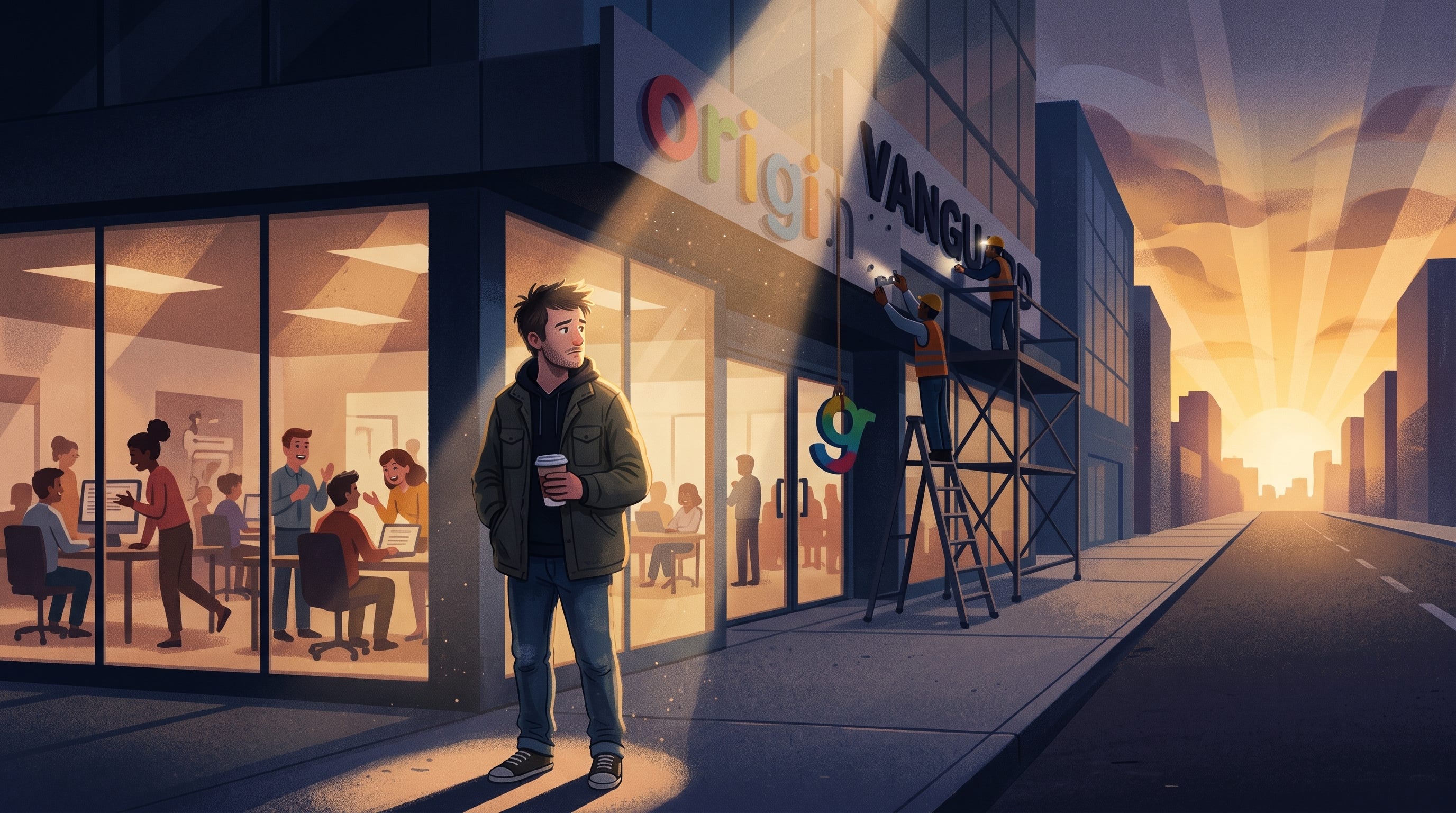
The buyer brought Digital Ethos into the wider group and rebranded it within four months. Luke enjoyed working with the new team and learned from the integration. Watching the name disappear still hurt.
Digital Ethos was the most successful business he built. Winning awards brought recognition and a sense of achievement. Losing the brand meant losing a name he associated with that success.
He went through what he called a “mourning process” as he tried to find a sense of purpose after the brand disappeared.
You can agree to a sale and understand why the buyer wants to change the business. Living through those changes can still hurt. Luke knew the rebrand was coming, but it happened faster than he expected.
He knew he'd build again, which gave him something to look towards. He was grateful he managed to sell and still felt the loss of the business he created.
Choosing what fills the day
Gavin Bell sold Yatter to Velstar in what he describes as a seven-figure deal. He left after eight months, when he realised the business no longer needed him. The handover freed up his time, but he still had to work out who he wanted to be without the business at the centre of his life.
“Your identity, which has been so tied up in that business, doesn't change on day one of selling.”
He spent time thinking about the kind of father he wanted to be. Running the business filled his days and left little room to consider that. After leaving, he could decide how much of his time he wanted work to take.
Gavin found himself drifting back to his desk because he enjoyed building with people he liked. He went into business wanting freedom. With more of it available, he still wanted to work.
“I'm not really working anymore from a necessity standpoint, it's more what am I really interested in?”
Selling gave him room to choose what interested him next. Going back to work could be part of enjoying that freedom, with less pressure to make an idea pay immediately.
Seven working days a month
Andrew Steele's DNAfit was acquired by Prenetics for $10 million in a deal involving cash and shares. He stayed on and helped grow the group before leaving after its Nasdaq listing. He said it took about a year to decompress after a decade building businesses. He took on consultancy and advisory work, including a part-time product leadership role. With a young child, he worked roughly seven days a month.
The arrangement gave him an income and more time at home. He still felt dissatisfied and anxious about spending so little time building something himself.
“I really wanted to be in the weeds building something,” he said.
When Andrew advised people on their businesses, he wanted to get involved and help do the work. That frustration helped push him towards co-founding Stride.
He explored different ways of working while recovering from the previous decade. Before the year was out, he was building again. He knew the job would be uncomfortable at times and felt more at ease doing it.
If you want to work after an exit, it's worth trying the role before committing to it. Andrew's advisory work showed him how much he missed getting involved in the detail.
A new place to put the work
Simon Penson founded Zazzle Media, merged it with Stickyeyes, and later sold the combined group to IPG Mediabrands. His consultancy says the deal was worth more than £35 million. An earn-out kept him at the agency for almost three and a half years.
During that time, he helped start Haatch Ventures. Once the earn-out ended, he moved his attention to the venture firm, using what he learnt from building the agency to help other founders.
“You can't just go and sit and play golf and tidy your garden,” he told me.
He found purpose in the work at Haatch, then later left to focus on advising businesses independently.
Money changes the invitations
After VinSolutions sold to AutoTrader for $150 million, Matt Watson noticed people were reluctant to invite him into their homes. He felt that knowing he lived in a very nice house made them uncomfortable about having him over.
“Nobody invites me to their house.”
Family dinners became awkward too. “If you want to go out to dinner with family, you're buying or you're going to Taco Bell,” he said. Matt talked about strained family relationships and the loneliness he felt after the sale. His friendships changed, and he had to find people he could spend time with comfortably.
Having someone over is an ordinary part of friendship. For Matt, money made even that awkward. The changes reached relationships outside the business that he spent years building.
You might prepare carefully for telling your team about the sale. It's harder to anticipate how people outside work will react, or how you'll feel when familiar relationships change.
I've lost a business myself. Hearing Luke describe mourning the one he sold brought back the loss of identity I felt when mine was gone. The financial circumstances are completely different. I had to work out who I was without the business that shaped so much of my life.
Next Friday on 🚪 The Exit Files
Founders went back to building after selling. Part four looks at their next businesses and how they used their experience to approach them differently.
Subscribe to get it in your inbox 📧
The Exit Files 🚪 Catch up on the series


Know someone who’s building it to sell it? Send this their way 🔑