


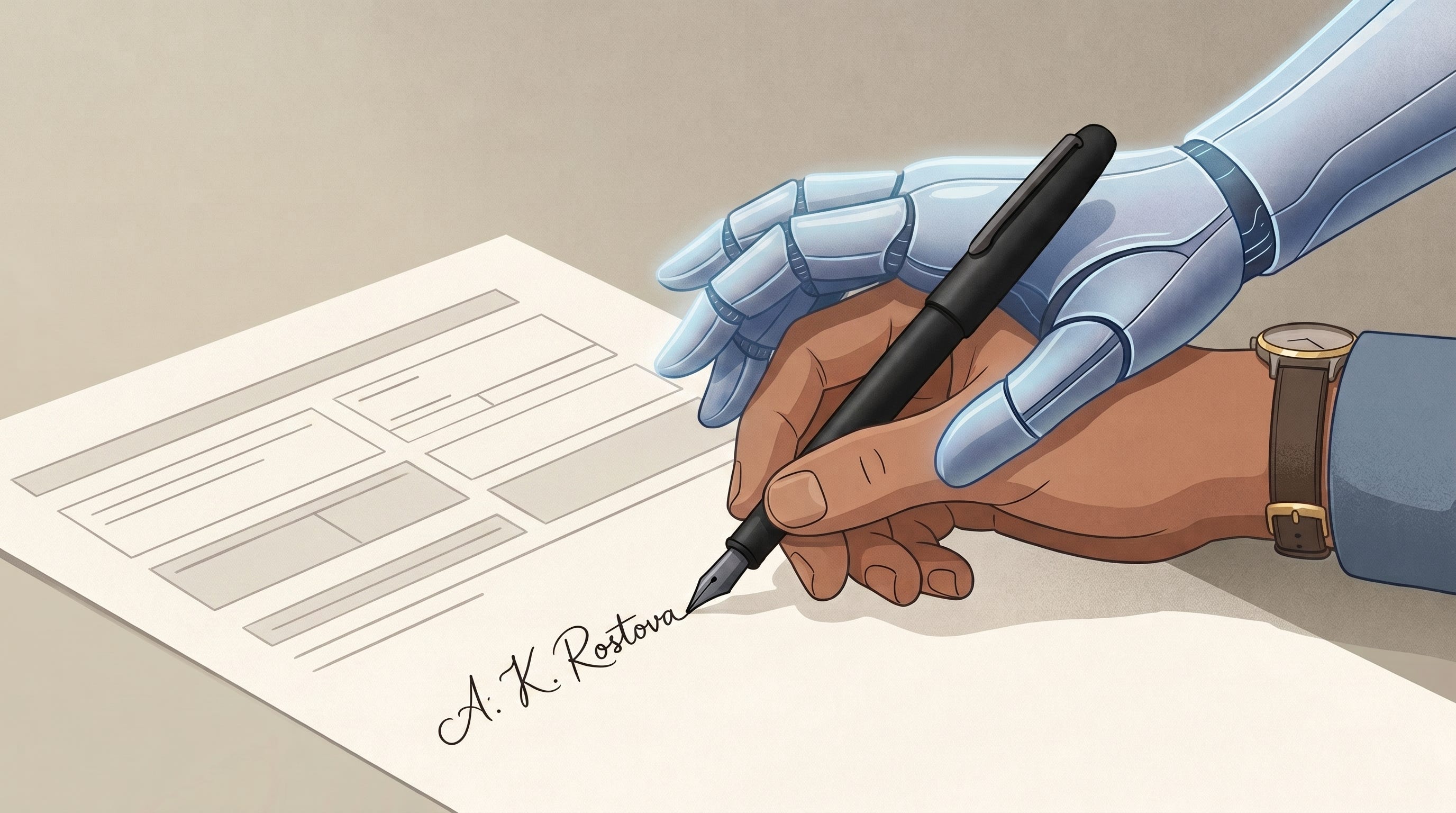
The moment an AI starts acting in my name, its mistakes become my reputation.
I’ve been thinking about that as AI moves beyond drafts and starts making decisions for us. When an unchecked email or recommendation can now leave the business before anyone sees it, there’s far more at stake.
A year ago, I was interested in whether AI sounded like AI. There were obvious giveaways everywhere and I called that the first version of AI slop. Better instructions got rid of most of them.
But you can remove every obvious AI phrase and still end up with something bland or detached from the decision it’s supposed to help you make.
I started paying more attention to the thinking behind the words. Once AI stopped giving itself away so easily, bad judgement became harder to ignore. 👇🏻
Slop starts before the draft
You can ask AI to draft a proposal and get something that looks ready to send. AI can summarise a customer problem or tell you what to do next in seconds, and you stop noticing how many decisions are hiding behind the request.
You still need to understand what the customer cares about and what you don’t know yet. The recommendation can be wrong because important context never made it into the prompt.
You used to have to stop and make more of those decisions yourself. When the result arrives in seconds, they’re easier to skip. Getting the task off your list tells you very little about whether you made a better decision.

The manager never disappeared
If somebody joined your company tomorrow, you wouldn’t throw a vague task at them and assume they understood how you think. You’d explain the job properly, then correct their work until they understood your standard.
A meeting summary is fairly forgiving and a follow-up email is easy to review. Choosing who gets a discount or how to handle an unhappy client is much harder to leave to AI.
With AI, you still set what it’s allowed to do and when it needs you. You’re still the manager, except now it can make the call without waiting for you.

New here? Millennial Masters shares insights from founders building and growing companies. Subscribe for ideas on AI and better business decisions from hard-earned lessons👇🏻

Mistakes get more expensive
For a long time, bad AI mostly meant clean-up. You’d generate something weak, spot the problem and fix it. Maybe you wasted twenty minutes, or an employee spent an afternoon rewriting work that was supposed to save time.
A sales agent can follow up with dozens of leads while you’re doing something else. The same bad call can reach every one of them before you notice.
In customer support, following the policy isn’t enough. Someone angry over a £20 problem may need an apology before an answer, and an automated reply that misses that can give them a reason to leave.
I now notice another kind of AI slop when weak thinking gets repeated automatically. A perfectly normal sentence can hide a decision that’s wrong for the company. At that point, whether the AI sounds convincing matters far less to me. I want to know if I would have made the same call.

Exceptions are harder to hand over
You know when a customer needs a phone call instead of another email. Experience also teaches you when a refund makes sense beyond the policy, or when an attractive sales opportunity is likely to become painful later. Much of that judgement comes from years of doing the work without writing the reasoning down.
A long-standing customer paying you £20,000 a year may need a different response from somebody who signed up yesterday and ignored three attempts to help. That kind of judgement rarely fits neatly into one rule.
You can see the same thing in how you already manage people. Good employees learn the exceptions by watching you make calls no policy can cover, like refusing a refund or turning down a large client because the work would wreck the team. Over time, they pick up judgement that was never written down.
An AI agent doesn’t get that history by sitting in the office for six months. Trying to teach that judgement to an agent exposes all the places where your business relies on decisions nobody has properly explained.

Your judgement can’t stay in your head
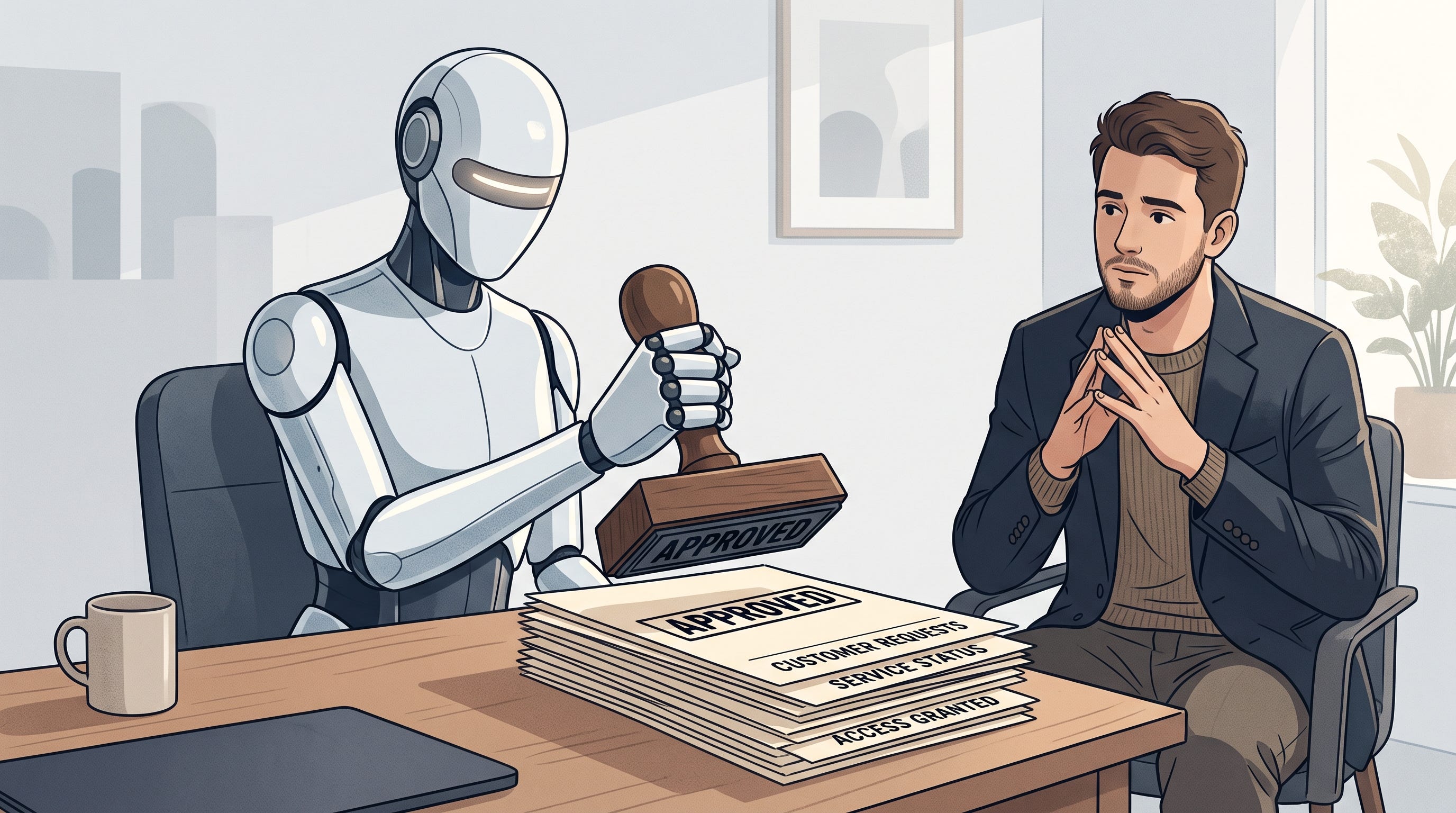
You have to spell out which decisions the agent can make on its own and when it needs to stop and ask you.
Customers give you half the information, and an apparently perfect sales lead can turn out unable to afford you. Those messy cases show whether the rule actually survives outside a clean demo.
When the judgement is sound, AI can make those calls when you’re not there, whether that means answering a customer at midnight or helping your team when the usual person isn’t available.

The customer only sees what happened
If an automated recommendation pushes somebody towards something they don’t need, that decision comes from your company and becomes part of what they think about you.
AI still stands out because it feels new. I expect it to disappear into the background like the CRM your salesperson uses or the software that calculates an invoice.
Every decision you hand over to AI becomes another way somebody experiences your company.

I care more about the call now
I now ask if I’d have made the recommendation myself and whether I could explain it if a customer challenged me.
If the agent makes the same call a hundred times this month, I want to be comfortable with the pattern it creates.
I’ll happily automate routine decisions with a clear standard. Customer history and higher-stakes calls still need a person involved.
The moment an AI starts acting in my name, its mistakes become my reputation.


Such an important article. Did you read about the Korean Starbucks campaign that used AI for a marketing campaign and it got approved without executive oversight and the outcome was embarrassing and damaging. They used a slogan that no one realized had direct meaning to a horrific event in Korean history. 🤷♀️a nightmare for that team. Cautionary tale!
It doesn't matter how much thought you put into the decision. If the AI makes a bad call, the customer just sees your company making a bad call.