


You can build a tech company without becoming a developer, as long as you understand enough to work properly with the people building it.
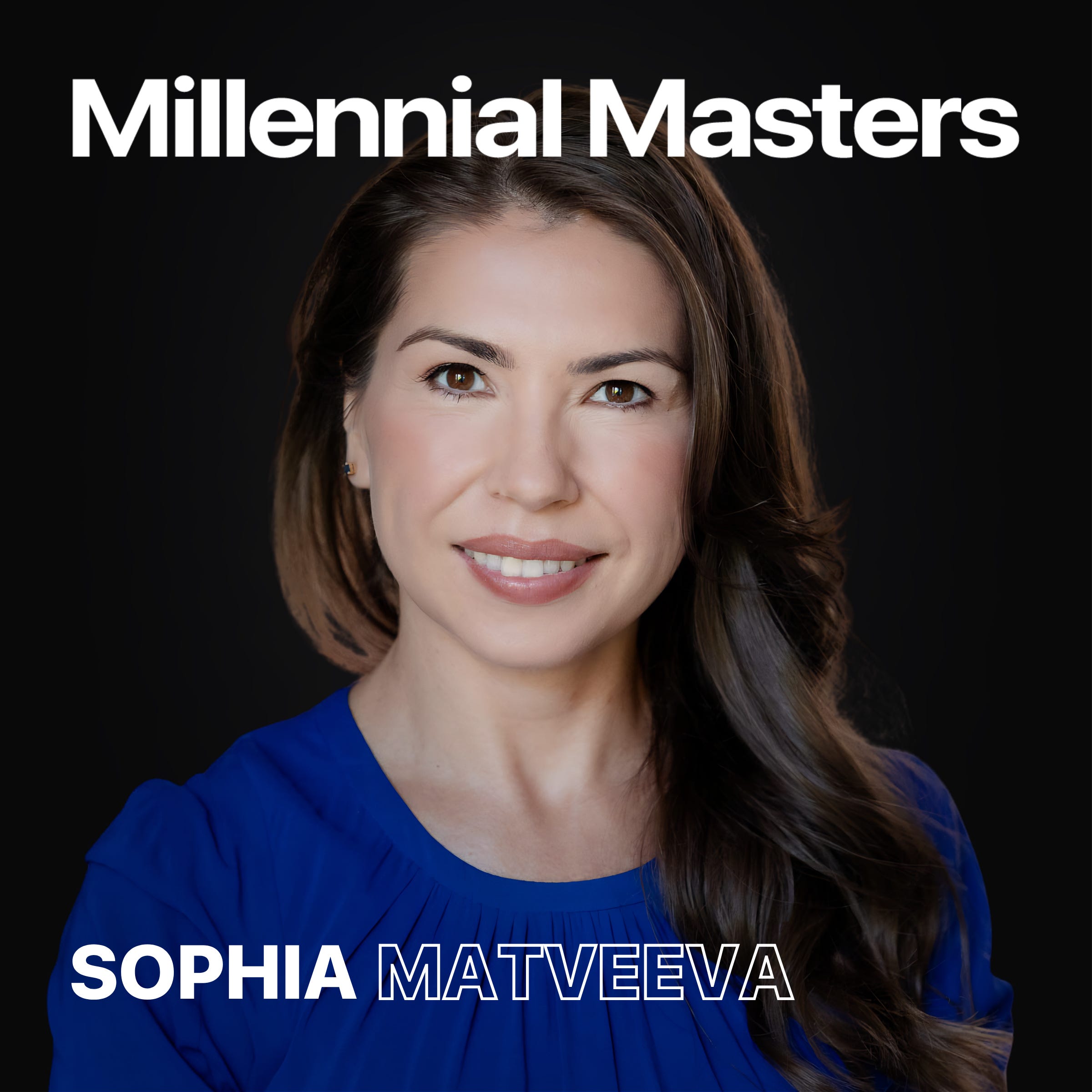
Sophia Matveeva, founder of Tech for Non-Techies, learned that after raising money for her first startup and hiring a technical team. She was the CEO, but when a developer started talking about building the back end on Ruby on Rails, she realised she had no idea what he meant.
Her first instinct was to learn to code. She took computer science and Python courses before seeing she was spending hours learning skills that wouldn’t help her do her actual job. She needed enough technical understanding to make decisions, ask useful questions and work effectively with the team.
AI has lowered the barrier again. A non-technical founder can now make a convincing prototype in an afternoon, which makes it easier to start before finding out whether people understand the product or would pay for it.
Sophia argues that this is where founders need more discipline. You can use AI to get an idea in front of people much earlier and learn from what they actually do with it. Once you’re making something people will pay for, you still need people who understand the technology well enough to know what’s happening underneath.
In our conversation, Sophia gets into what non-technical founders need to understand about tech, how to test an idea before spending heavily on it and where vibe coding stops being enough.
🔗 Find Sophia on LinkedIn
Got an idea you want to build? Subscribe for more on finding out if people actually want it first 👇🏻
Key takeaways
1️⃣ You need to speak tech before you lead it
You don’t need to become a developer, but you need enough understanding to work with one properly. That means knowing what’s being built, why something takes time and what you’re giving up when you choose one feature over another.
2️⃣ Test the idea before you spend money building it
Sophia recommends putting a prototype in front of potential customers before writing production code. Watching how people actually use it can expose problems that are much cheaper to fix at that stage.
3️⃣ Don’t ask customers to validate your idea for you
People often tell you something sounds good because they want to be helpful. Sophia recommends approaching user interviews with curiosity, giving as little guidance as possible and making people comfortable telling you what they don’t understand.
4️⃣ Vibe coding is great for testing, not the finished product
AI lets non-technical founders create convincing prototypes much faster and cheaper. Sophia warns against assuming that means you can safely build an entire commercial product yourself when you can’t judge the quality of the underlying code.
5️⃣ A better product can still lose
Customers already have tools they know and systems built around them. Getting them to switch can require much more than improving the product, particularly when an established competitor is deeply embedded in how a company works.
In this episode
00:00 Introduction to Sophia Matveeva
02:08 Is vibe coding improving product testing?
05:34 Why founders need to speak tech
12:54 How to manage developers
15:31 Test your product before building it
18:47 How to get honest user feedback
22:47 Will people actually pay?
25:57 How to challenge your technical team
30:38 Choosing which features to build
32:57 Why Sophia shut down Enty
35:22 Funding versus bootstrapping
37:23 When to stop funding your own business
39:19 Why better products still lose
42:58 What AI changes for non-technical founders
45:47 Building is easier, finding customers isn’t


