


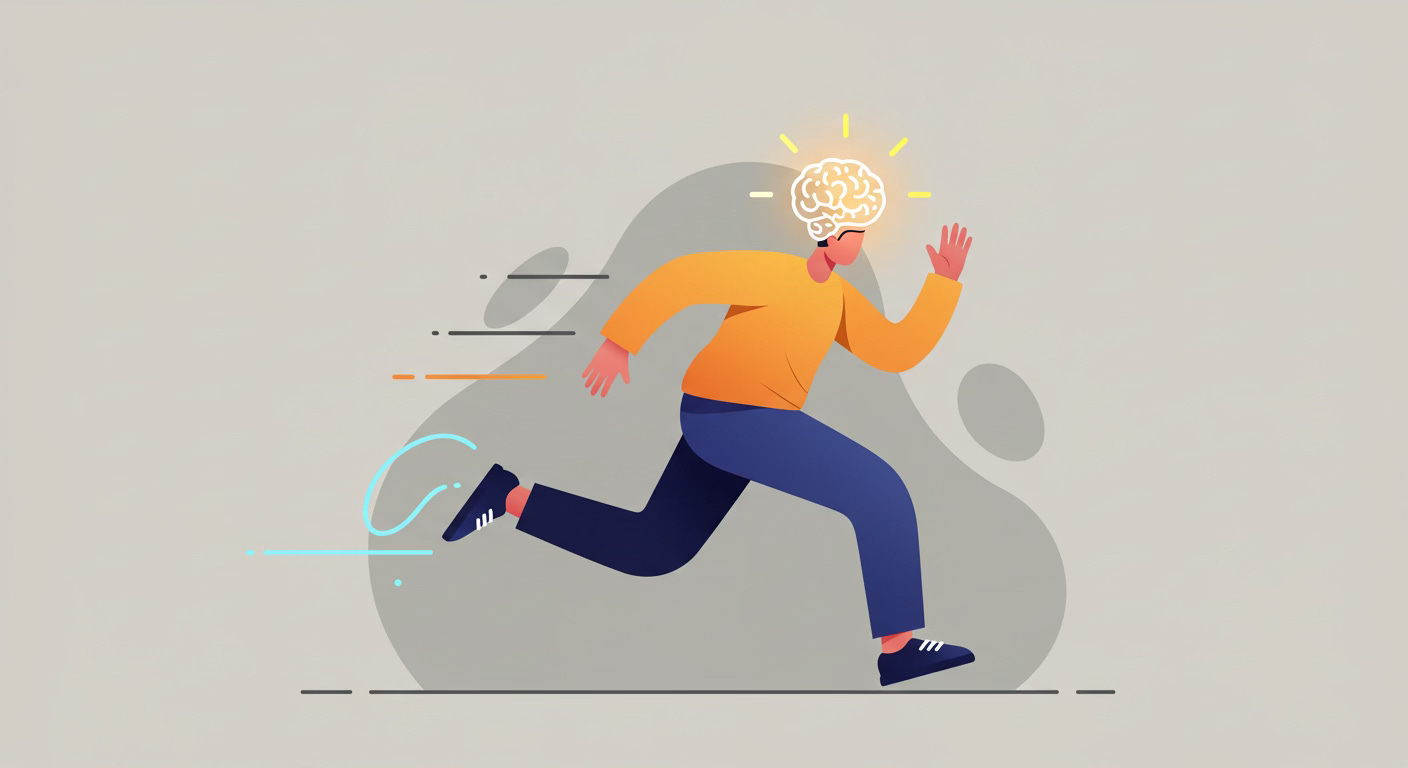
ADHD still gets talked about like something that needs sorting out.
Most schools and workplaces are set up for people who can work in an orderly, consistent way and do not mind fixed routines.
That is where a lot of people who think and move quickly begin to struggle.
William Stokes of Co-Space and Peter Watson of Featured Group have both spoken on Millennial Masters about how ADHD shaped the way they work.
Building their own businesses suited them far better than conventional jobs.
More control over how they worked helped a lot. 👇🏻
Freedom matters more than structure
For William Stokes, a traditional corporate job was never going to work.
“I don’t do structures. My brain’s all over the place. One minute I’m talking about one thing, the next minute I’m onto something else,” he explained. “And when people are generally telling me what to do, I hate it.”
Corporate jobs ask people to follow a set way of working and stick to it. William could not work like that for long.
“90% of the time, I just do things that I want to do. I have meetings I want to be in, I work on projects I want to be involved in. 10% of the time, it’s stuff I don’t want to do, but I know I have to.”
That autonomy matters. William has built a business that gives him far more say over what he focuses on.
The problem with the ADHD narrative
Peter Watson is more blunt about it. He treats ADHD as part of his personality, not something that needs managing.
“I actually hate the narrative behind ADHD right now. It’s become a card people wave: ‘Look at me, I have ADHD!’ I didn’t even realise I had it until I was about 24. I just thought it was my personality.”
For Peter, that is just how he is.
“Congratulations: you get excited over nothing. You can go to a nightclub and not drink because you have energy. You can never stop speaking. This is not a negative thing. This is your personality trait.”
He does not want medication to flatten traits he thinks of as part of himself.
“We’re drugging our personalities. Why? Why are we trying to normalise it? Who’s to say I’m not the norm? Who’s to say the person without ADHD isn’t the weirdo?”
He thinks more businesses will eventually hire with this in mind and look for people whose brains suit specific roles.
“I think in the next 10, 20 years, people will build teams around neurodiversity. They’ll say, ‘I need a sales guy, let’s find someone with ADHD. I need a data guy, let’s find someone with whatever.’ These are genuine skill sets, and they’ll be seen as superpowers.”
The wrong setup makes everything harder
William and Peter come back to the same point. A lot of the struggle comes from being in jobs that do not suit the way someone thinks.
“If your neurodiversity skill set isn’t working in the role you’re doing, you’re probably in the wrong role,” Peter said.
“ADHD is a skill set. There’s a perfect role for every single person with these different traits.”
Often, the bigger issue is that the job keeps asking for a version of you that is hard to sustain. When that changes, the day can feel far less draining.
What real support looks like
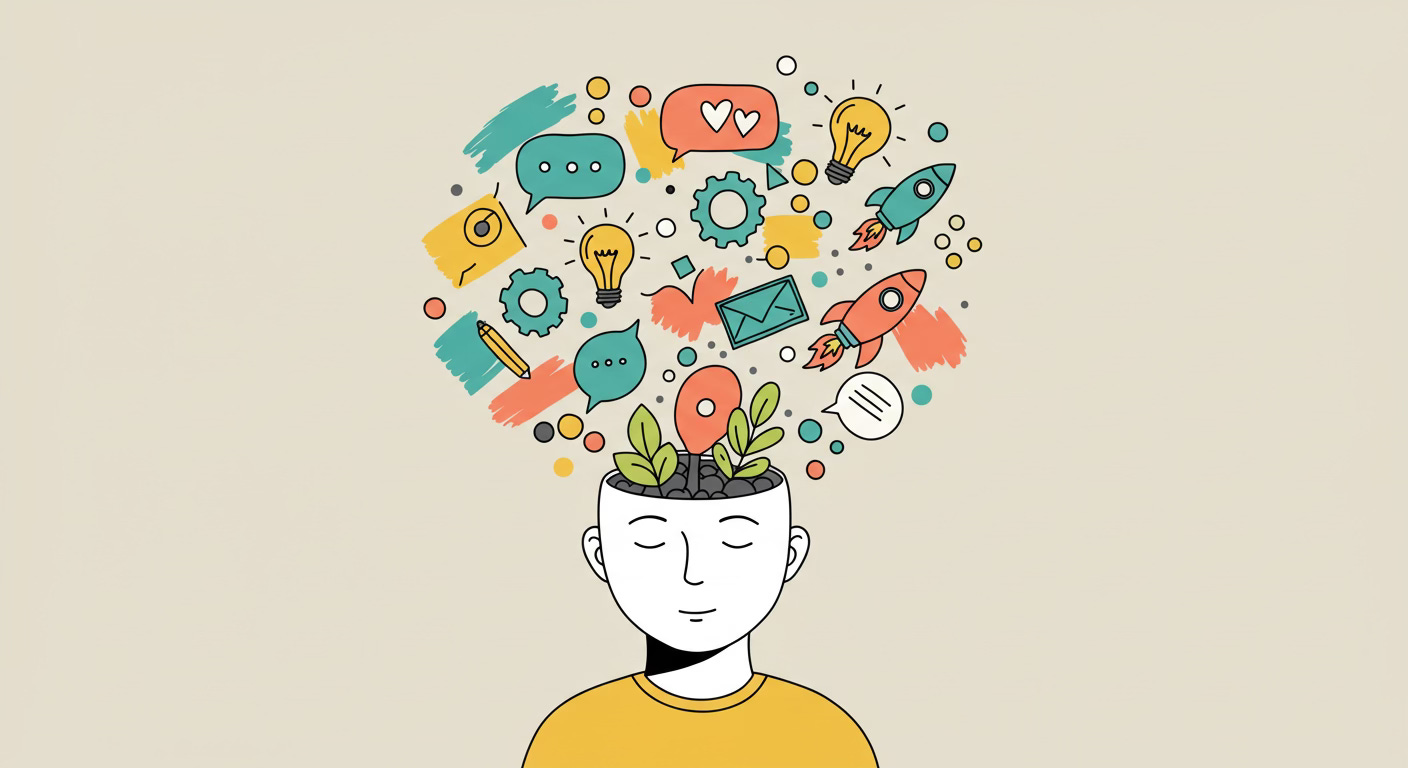
Most workplaces are still built around one narrow idea of how people should work.
A recent Economist piece looked at how some businesses and schools are starting to adjust around ADHD and make the day easier to handle.
That can be quite practical. For example:
Flexible working hours when energy and focus are less predictable
Mixing sitting, standing, and group work in classrooms and meetings
Bullet-point summaries in work memos and lesson plans
Noise-cancelling headphones and quiet spaces to manage sensory overload
Founders and managers should stop expecting everyone to work in the same way.
It is close to what William Stokes and Peter Watson were getting at too.
Give people more room to adjust and they’ll often do better.


